Blog

  • Practical Ways to Keep Your Home Warm as Temperatures Plunge

    Practical Ways to Keep Your Home Warm as Temperatures Plunge

    Tonight, Vermont is expected to see the coldest temperatures of the season—an abrupt reminder that winter still has plenty of strength left. When the mercury drops this far, the cold stops being a background condition and becomes something you can almost feel pressing against the walls. Nights like this reveal how well our homes hold heat, how prepared our systems are, and how small oversights can ripple into bigger problems.

    But extreme cold doesn’t have to catch you off guard. With a few well-timed steps, you can help your home stay warm, stable, and efficient through the night. What follows are grounded, practical measures—nothing alarmist, nothing theoretical. Just the things that make the biggest difference when the cold settles in and stays awhile.


    1. Lock In Heat Before the Temperature Plummets

    Tonight’s cold will search for the tiniest escape routes.
    Warmth is lost in places we rarely look: around windows, under doors, through attic hatches, and around plumbing penetrations.

    Before the temperature bottoms out:

    • Check exterior doors for drafts and reinforce with fresh weatherstripping if needed.
    • Close and lock windows to ensure a tight seal—a simple, often overlooked step.
    • Cover drafty windows with insulating plastic or heavy curtains.

    Think of this as tightening your home’s thermal envelope right as winter tries its hardest to break through.


    2. Give Your Home a Heat-Holding Advantage

    Insulation is quiet, invisible, and absolutely crucial on nights like this. Heat rises, and the attic is the first place it tries to leave.

    A quick evening check can help keep that warmth where you need it:

    • Confirm that attic access panels close fully and sit flat.
    • Ensure insulation hasn’t shifted, especially near rooflines or eaves.
    • Close off unused rooms to concentrate heat in the living spaces you’re relying on tonight.

    This is the structural equivalent of putting on an extra layer before heading outside.


    3. Set Your Heating System Up for Success

    When temperatures drop sharply, your heating equipment works harder than at any other time. Giving it a small amount of attention now can carry you through the coldest hours of the night.

    • Replace or clean furnace filters to improve airflow and efficiency.
    • Make sure heat-pump outdoor units are clear of snow and ice.
    • Verify fuel levels—cold snaps accelerate consumption.
    • Keep vents and radiators unobstructed so heat can circulate freely.

    Your heating system doesn’t need perfection—it needs a clear path to operate without strain.


    4. Protect Plumbing From Freezing Overnight

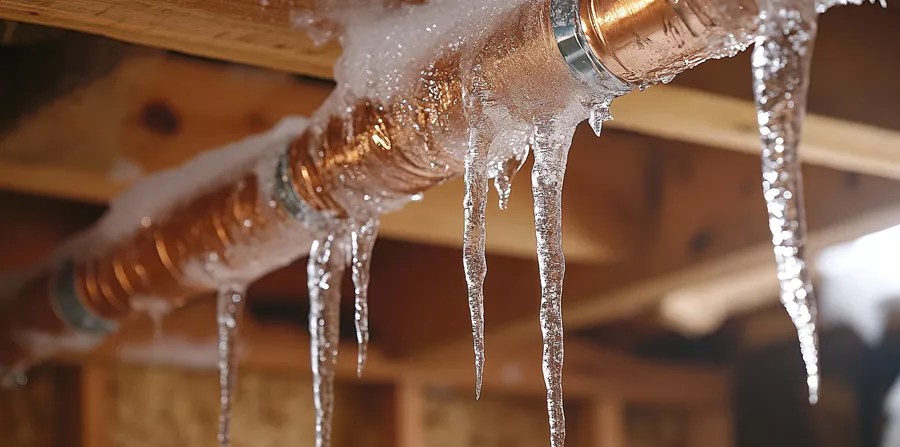
    Extreme cold can freeze pipes faster than most homeowners expect, especially in marginally insulated areas.

    To reduce that risk:

    • Open kitchen and bathroom cabinet doors to let warm air reach supply lines.
    • Let vulnerable faucets drip lightly; moving water resists freezing.
    • Know the location of your main shut-off valve in case a pipe does freeze.

    Think of plumbing as a system that thrives on circulation and warmth. Tonight, both matter more than usual.


    5. Use Curtains and Blinds as Thermal Tools

    When used intentionally, window coverings become part of your heating strategy.

    • Open curtains during the day to collect solar heat.
    • Close them before sunset to trap that heat during the coldest hours.
    • For older windows, add a rolled towel or draft snake along the sill for extra protection.

    These small steps create a meaningful buffer against the radiant cold creeping in from the glass.


    6. Prepare for the Possibility of Overnight Power Issues

    Extreme low temperatures and snow-laden branches can strain power lines. While outages aren’t guaranteed, tonight’s weather makes them more likely.

    A few simple preparations go a long way:

    • Make sure flashlights, lanterns, and portable chargers are ready.
    • Verify that carbon monoxide detectors have fresh batteries.
    • If you have a safe alternative heat source (like a wood stove), ensure it’s ready for use.

    A calm, prepared home stays comfortable even when the unexpected happens.


    7. Keep Vents and Exhaust Clear as Snow Accumulates

    Combustion appliances require uninterrupted airflow. During heavy snow and wind, vents can become blocked without you noticing.

    Before settling in for the night:

    • Check that furnace, boiler, and dryer vents are fully clear.
    • Ensure the heat pump has space around it to breathe.
    • Watch for unusual system shutdowns or odors—both can signal airflow issues.

    These are simple, high-impact checks, especially when temperatures drop into the danger zone.


    8. Lean Into the Natural Movement of Heat

    Warm air rises, pools, shifts, and escapes. A few small adjustments help keep it where it matters:

    • Set ceiling fans to low, reverse to gently push warm air back down.
    • Close doors to unused rooms, especially those without heat sources.
    • Keep hallways open to allow even distribution of warmth.

    You’re not forcing anything—you’re aligning your home with the physics of warmth.


    Final Thoughts

    Tonight’s cold is the kind that defines a season. But a well-prepared home doesn’t just endure it—it handles it with quiet resilience. These steps aren’t complicated, yet each plays a role in helping your home retain warmth, protect its systems, and stay comfortable through the deepest part of the night.

    If you’d like help evaluating your home’s winter readiness or understanding how cold affects its systems, Green Mountain Property Inspections is here to support you with clear, evidence-based guidance tailored to Vermont homes.

    Stay warm, stay prepared, and let your home meet the cold with confidence.

  • Preparing for Winter: Essential Fall Home Maintenance Tips for Northeastern Homeowners

    Preparing for Winter: Essential Fall Home Maintenance Tips for Northeastern Homeowners

    As autumn settles across the hills of the Northeast, the air cools, the maples turn brilliant, and a quiet urgency fills the landscape. In this season between abundance and endurance, our homes—like us—must prepare for what’s ahead. The first frost is not merely a date on the calendar; it’s a reminder that maintenance neglected now will make itself known when the snow falls and the wind presses against the siding.

    For homeowners in Vermont and the surrounding region, fall is a time of stewardship. The work we do in October and November often determines the comfort, efficiency, and longevity of our homes through the long winter that follows.

    Below are several key areas worth your attention—tasks that, while seemingly modest, form the foundation of a well-kept and resilient home.


    1. Roofs and Gutters: Where Prevention Begins

    Few systems are as directly tested by winter as the roof. Before the snow piles up, take time to inspect your shingles, flashing, and ridge caps for signs of wear or displacement. Even a small gap in flashing can allow meltwater to infiltrate, freeze, and expand—turning a minor defect into costly damage.

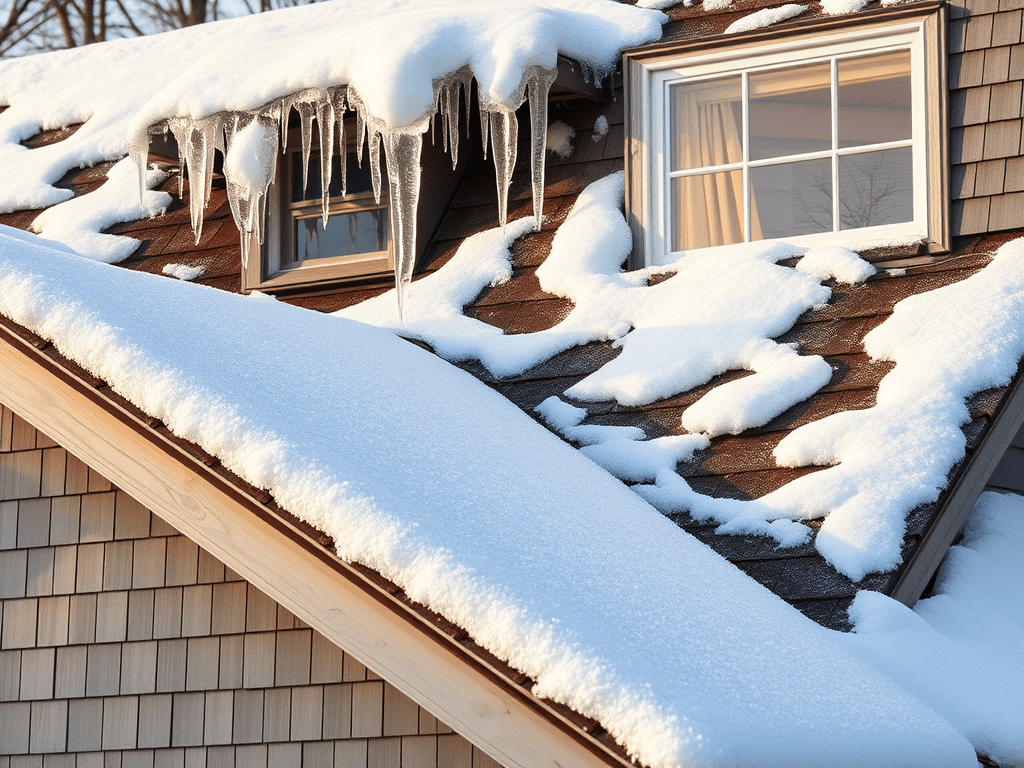
    Clear the gutters and downspouts thoroughly. Clogged gutters are not simply an eyesore; they are an engine of ice dams, which can force water beneath the roof covering and into attic insulation or wall cavities. Ensure that each downspout discharges well away from the foundation and install splash blocks where needed to direct runoff.


    2. The Furnace and Chimney: Warming Without Worry

    Heating systems deserve early attention. Schedule a service inspection before the first sustained cold snap—filters replaced, burners cleaned, and safety switches tested. A well-tuned system not only saves fuel but also operates more safely and evenly.

    If you heat with wood or pellets, have the chimney cleaned and inspected for creosote buildup or structural cracks. Chimney fires, though preventable, are not uncommon in Vermont’s older homes. An annual sweep ensures that your first fire of the season is a comfort, not a risk.


    3. Windows, Doors, and Drafts: The Quiet Thieves of Heat

    A home can lose a surprising amount of energy through small openings around windows and doors. Run your hand along the trim on a windy day—you’ll feel where the warmth escapes. Re-caulking and weather-stripping are inexpensive measures that can drastically improve comfort and efficiency.

    For older sash windows, consider using removable interior storm panels or shrink-film kits as a temporary barrier. The goal is not perfection, but prudence: to balance preservation of character with the realities of a New England winter.


    4. Water Systems: The Unforgiving Nature of Ice

    Any exterior hose bib should be drained and shut off from the interior valve. Disconnect garden hoses, even those labeled “freeze-resistant.” In unconditioned areas—crawlspaces, garages, and basements—inspect for exposed supply lines and insulate them as needed. A frozen pipe is more than an inconvenience; it’s a failure of foresight.

    If you rely on a sump pump, test it now. Verify that it cycles properly and that its discharge line is clear. Fall rains and winter thaws can saturate the soil, and a pump that fails in January is a problem no homeowner wants to discover by touch.


    5. Exterior and Landscape: Managing Water and Weight

    Walk your property after a rainfall. Observe where water pools near the foundation or drive. These clues will guide you toward subtle grading issues that, if corrected now, prevent frost heave and seepage later. Trim back branches that overhang the roof or power lines—ice and snow can make even small limbs hazardous.

    Store outdoor furniture, secure fuel tanks, and cover vents or window wells that might collect debris. In the Northeast, the natural world doesn’t rest; it shifts and presses, testing every boundary. A little preparation now allows your home to meet that test with quiet strength.


    6. Safety Systems: Simple Checks That Save Lives

    Autumn is also the perfect time to check smoke and carbon monoxide detectors. Replace batteries, test each unit, and confirm that a working detector is installed on every level—especially near sleeping areas and gas-fired appliances. These small devices often stand between inconvenience and tragedy.


    A Season of Maintenance, Not of Hurry

    Home maintenance, at its best, is not an act of anxiety—it’s an act of respect. Respect for the structure that shelters you, and for the rhythm of the seasons that shape life in the Northeast. We cannot control the weather, but we can ensure our homes are ready to meet it.

    As the leaves fall and the first frost appears on the windshield, take a weekend to walk through your home with deliberate care. Each item checked off your list is a quiet promise—to yourself and your family—that you’ve prepared well for the months ahead.


    Green Mountain Property Inspections
    Licensed Vermont Home Inspector | InterNACHI Certified
    Serving homeowners and realtors throughout northern Vermont with professionalism, precision, and care.

  • Green Mountain Property Inspections Partners with HomeBinder – Bringing More Value to Every Inspection

    At Green Mountain Property Inspections, I’ve always believed that my work shouldn’t end the moment I hand over a report. A home is more than a structure—it’s a living, evolving system. As a homeowner, you deserve tools that help you keep that system running smoothly long after inspection day. That’s why I’m excited to share some big news: I’ve partnered with HomeBinder, and I’m now including both HomeBinder and Repair Pricer at no additional cost in every inspection report I deliver.


    Why HomeBinder Matters to You

    HomeBinder is essentially a digital three-ring binder for your home—but with far more intelligence built in. It stores maintenance reminders, appliance details, contractor information, and key documents all in one secure place. Instead of juggling paper folders or trying to remember when your roof was last serviced, you’ll have everything organized for you in one hub that grows with your home.

    This isn’t just about convenience—it’s about protecting the long-term value of your investment.


    Taking the Guesswork Out with Repair Pricer

    If you’ve ever looked at a list of recommended repairs and felt overwhelmed, you’re not alone. Repair Pricer is designed to take those inspection findings and turn them into real-world cost estimates.

    Rather than leaving you to wonder what a repair might cost, you’ll have professional estimates to guide your decisions. Whether you’re negotiating with a seller, budgeting for the future, or planning upgrades, this tool gives you clarity where it matters most.


    Why I’m Including These Tools in Every Report

    Most inspection companies stop at the report. I want to go further. By adding HomeBinder and Repair Pricer to every inspection, I’m giving you two essential things: organization and clarity.

    • Organization: HomeBinder keeps your home’s critical information in one safe place.
    • Clarity: Repair Pricer translates technical findings into actionable cost estimates.

    Together, they turn the inspection process into more than just a snapshot of today—they create a roadmap for tomorrow.


    My Commitment to You

    This isn’t an upsell or a premium add-on. It’s included because I believe every homeowner deserves more than just a report. You deserve tools that help you succeed.

    When you schedule your inspection with Green Mountain Property Inspections, you won’t just receive a detailed, InterNACHI-standard report—you’ll also gain access to two powerful resources designed to simplify homeownership and protect your investment.


    Ready to book your inspection?
    Visit www.greenmountainpropertyinspections.com and see how I’m raising the standard for what a home inspection can provide.

  • Seeing the Unseen: Thermal Imaging Now Included in Standard Home Inspections

    Seeing the Unseen: Thermal Imaging Now Included in Standard Home Inspections

    Every home tells a story. Some of it is written plainly in the walls, the rooflines, and the flooring under your feet. But some chapters are hidden—in the spaces between wall studs, behind ceilings, and under the surface where the naked eye can’t reach.

    For years, inspectors have relied on visible signs and physical clues to piece together the condition of a property. That’s still the cornerstone of a great inspection. But now, we’re turning a new page.

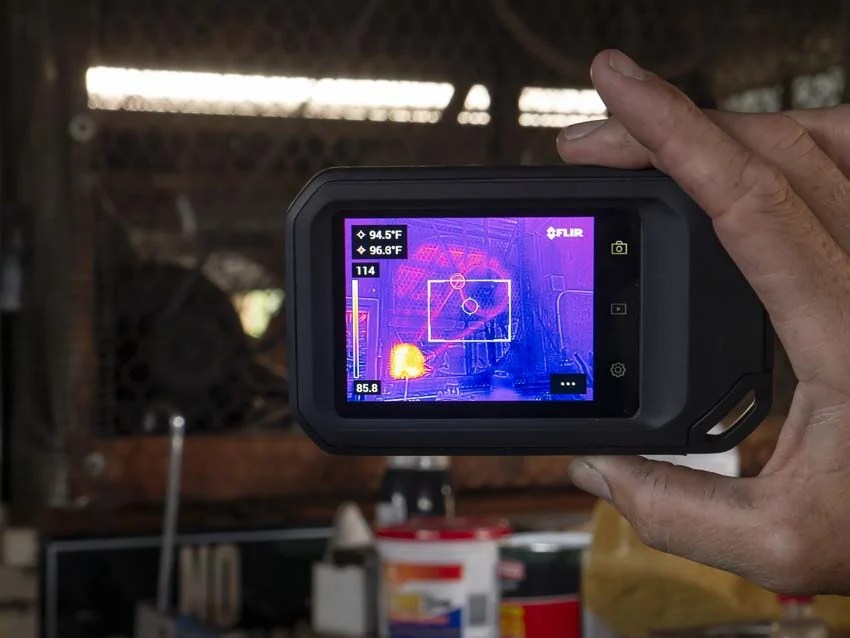
    I’m excited to announce that thermal imaging is now a standard part of my home inspection process. This technology uses infrared cameras to detect minute differences in temperature across surfaces, helping to identify conditions that might otherwise go unnoticed—things like insulation gaps, moisture intrusion, overheating electrical components, or even air leaks that can affect comfort and efficiency.

    Thermal imaging isn’t x-ray vision, and it doesn’t replace a trained inspector’s judgment. But when used thoughtfully, it adds a new layer of depth to our evaluations. It helps confirm what we suspect, raises questions when something doesn’t seem right, and in some cases, prevents costly surprises for buyers and homeowners alike.

    By incorporating this tool into every inspection, I’m expanding the range of issues I can detect early—without cutting into the clarity and objectivity you count on me for. You’ll still receive the same thorough, InterNACHI-compliant inspection you expect, but now with the added benefit of seeing your home through a new lens—one that can reveal what’s happening beneath the surface.

    If knowledge is power, then thermal imaging is like adding another watt to the bulb. It’s not about finding problems where none exist—it’s about giving you the clearest possible picture of your investment, so you can make decisions with confidence.

    I’m looking forward to putting this technology to work for you on your next inspection. If you’d like to see firsthand what your home looks like in infrared, schedule your inspection today—and let’s uncover the whole story together.

  • What the Foundation: How to Spot Trouble at the Base of Your Home

    What the Foundation: How to Spot Trouble at the Base of Your Home

    Your home stands on its foundation—but how often do you stand with it?

    The foundation is one of the most overlooked components of a home, yet it plays a silent, critical role in supporting everything above it. When things go wrong here, the consequences tend to ripple upward—cracked walls, sticking doors, uneven floors—and left unchecked, foundation problems can snowball into costly repairs or even safety hazards.

    At Green Mountain Property Inspections, we believe in bringing attention to the quiet corners of your home that matter most. Let’s talk about what’s under your feet—literally.


    Why the Foundation Matters

    Your foundation isn’t just concrete in the ground. It’s a system designed to carry the weight of your entire house, manage water around the structure, and keep everything level and stable. A compromised foundation can lead to structural issues, plumbing problems, and a diminished property value.

    When foundations begin to fail, the signs are often subtle—until they’re not.


    What to Look For: Clues from the Ground Up

    Homeowners don’t need to be engineers to spot early warning signs. A quick visual inspection, done seasonally or after major weather events, can help catch issues before they become serious. Here’s what to keep an eye on:

    1. Cracks in Walls or Ceilings

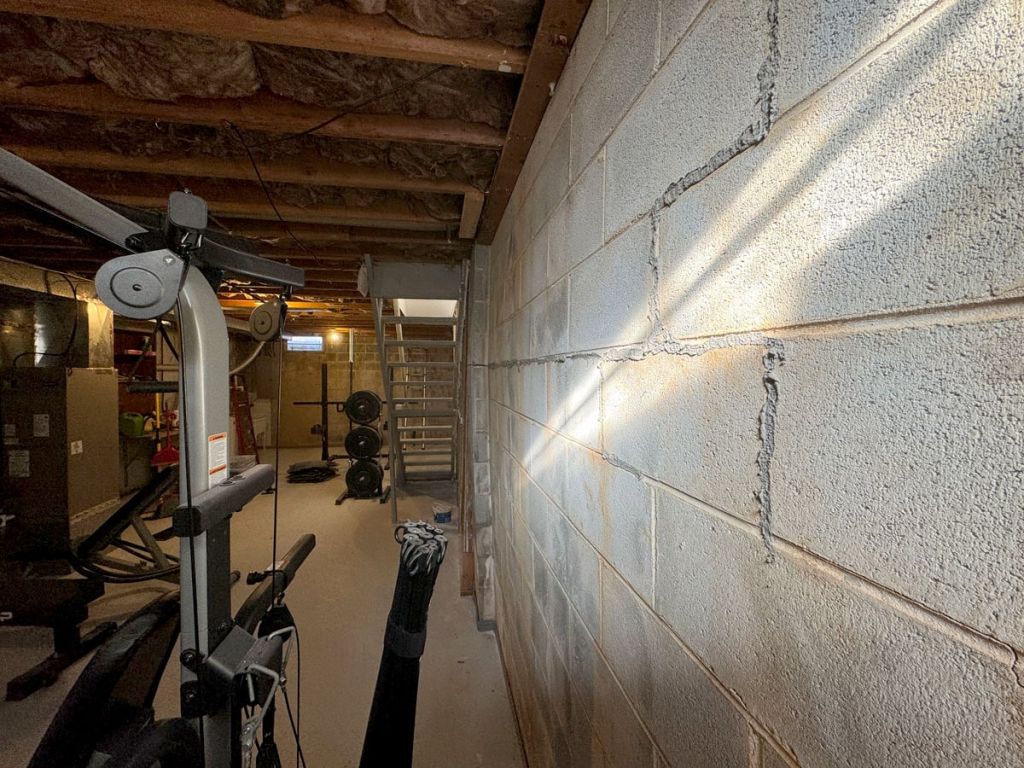
    Hairline cracks may be normal in older homes due to settling, but wide, horizontal, or stair-step cracks can signal foundation movement. Take note of new or expanding cracks.

    2. Doors and Windows That Stick

    If a door used to swing easily and now scrapes the floor or won’t latch properly, it could be more than humidity—it might be uneven settling.

    3. Uneven Floors

    Do your floors slope? Feel spongy or bouncy? A shifting foundation can cause framing components to twist or warp, which shows up underfoot.

    4. Gaps Around Windows or Exterior Trim

    Check for widening gaps between siding and trim, or between window frames and the walls. These can be signs the structure is moving apart.

    5. Moisture in the Basement or Crawlspace

    Foundations are vulnerable to water intrusion. Persistent dampness, pooling water, or signs of efflorescence (a white powdery residue) are all red flags.


    Don’t Just Watch—Act

    Foundational issues tend not to fix themselves. If you’re noticing any of the signs above, don’t wait until the next rainstorm or cold snap exposes the problem further. A professional inspection provides clarity, identifies root causes, and outlines solutions—whether it’s simple drainage correction or structural reinforcement.

    And even if your foundation is in great shape, knowing it’s been inspected and understood adds real peace of mind. Just as you’d never ignore the roof over your head, don’t forget the ground beneath your feet.


    A Final Thought

    Your home may have character, charm, and curb appeal—but all of that depends on the strength and stability of the structure it rests on. At Green Mountain Property Inspections, we treat foundations not as afterthoughts, but as foundational truths. Because when you really want to understand a home, you start from the bottom.

    What the foundation is doing today… tells the story of what the home will be tomorrow.

    If you’re unsure about the condition of your foundation or want a professional set of eyes on your home, we’re here to help—rooted in integrity, and grounded in Vermont values.

  • Is Your Home Ready for Guests? Inspection Tips for Vacation Homes and Airbnbs

    Is Your Home Ready for Guests? Inspection Tips for Vacation Homes and Airbnbs

    here’s a distinct satisfaction in opening your home to guests—whether you’re hosting friends for the weekend or managing a short-term rental that fuels your side hustle. But long before the welcome basket is filled with maple candies and the Wi-Fi password is printed in cursive, there’s a more critical question that often goes unasked: Is your home truly ready for guests?

    Not Instagram ready. Not “clean enough.” But safe, functional, and able to deliver the kind of experience that earns glowing reviews and repeat bookings.

    As a professional home inspector—and someone who has seen what’s behind the curtain—I’ve come to appreciate that guest readiness has less to do with throw pillows and everything to do with systems, safety, and foresight.

    Let’s walk through a few essential tips that will help ensure your vacation property or Airbnb isn’t just beautiful, but truly guest-ready.


    1. Prioritize Safety First (And Mean It)

    The quickest way to a one-star review—or worse, a liability issue—is to overlook safety.

    Start with the basics:

    • Smoke and CO Detectors: These should be installed on every level, in hallways near sleeping areas, and tested regularly.
    • Handrails and Staircases: Loose railings, uneven steps, and poor lighting can turn a relaxing getaway into a trip to urgent care.
    • GFCI Protection: Kitchens, bathrooms, and outdoor areas need outlets with ground fault protection. It’s not just a good idea—it’s a standard.

    Pro tip: Test everything yourself as if you were the guest. Would you trust this outlet? This railing? This lock?


    2. Don’t Assume It Works—Verify It

    Vacation properties often sit vacant between visits or seasons. That downtime allows plumbing traps to dry out, batteries to die, and critters to move in.

    Before guests arrive:

    • Run every fixture: Toilets, sinks, showers. Look for leaks or slow drains.
    • Check HVAC systems: Is the A/C blowing cold? Does the heat respond? Any odd smells?
    • Test appliances: From the microwave to the coffee maker, ensure all amenities work as advertised.

    If anything’s borderline, don’t roll the dice. Fix it now, not after the guest messages you at 9 p.m.


    3. Pay Attention to Hidden Hazards

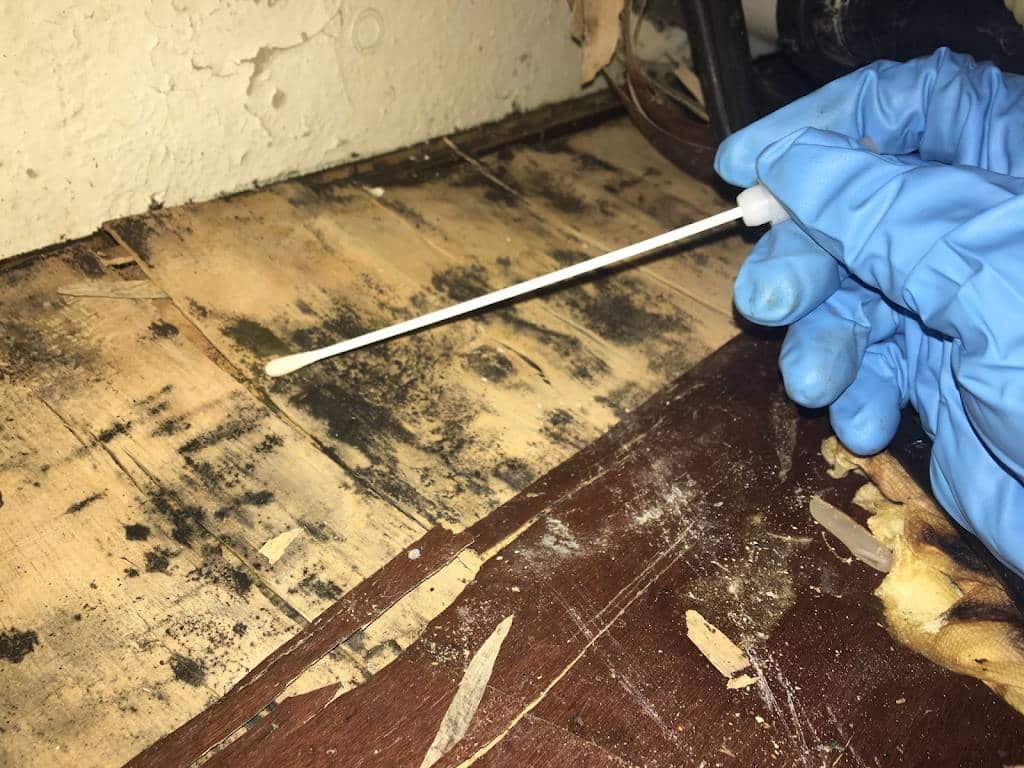
    A home inspection can reveal what’s happening behind the scenes—where mold creeps in, wiring degrades, or moisture collects.

    Some lesser-seen issues that often arise in vacation homes:

    • Rodent activity in attics or crawlspaces
    • Water damage under sinks or around windows
    • Improper venting of dryers, bathrooms, or water heaters
    • Aging decks with hidden rot or loose connections

    These don’t just affect guest experience; they threaten your investment.


    4. Think Like a Traveler

    Your guests aren’t you. They don’t know the quirks, the switches, or the shortcut to reset the hot water heater.

    This is where preparation meets hospitality:

    • Label breakers and switches clearly.
    • Leave a laminated home guide with instructions for thermostats, alarms, or quirks.
    • Ensure exterior lighting works—especially around stairs and entryways.

    Inspect not just for code compliance, but for clarity. Confused guests become frustrated guests.


    5. Consider a Pre-Season Inspection

    If your home is a seasonal rental—especially in Vermont where freeze/thaw cycles can be brutal—it’s wise to schedule a professional home inspection before the season starts.

    Think of it as preventive medicine for your property:

    • Catch deferred maintenance before it costs you.
    • Get ahead of guest complaints.
    • Protect your liability and insurance standing.

    An inspector won’t just spot issues—they’ll give you the documentation and peace of mind to welcome guests confidently.


    Final Thought: Guest-Ready Means More Than Clean Sheets

    You only get one chance to make a first impression. And in the world of short-term rentals, that impression can follow you online forever.

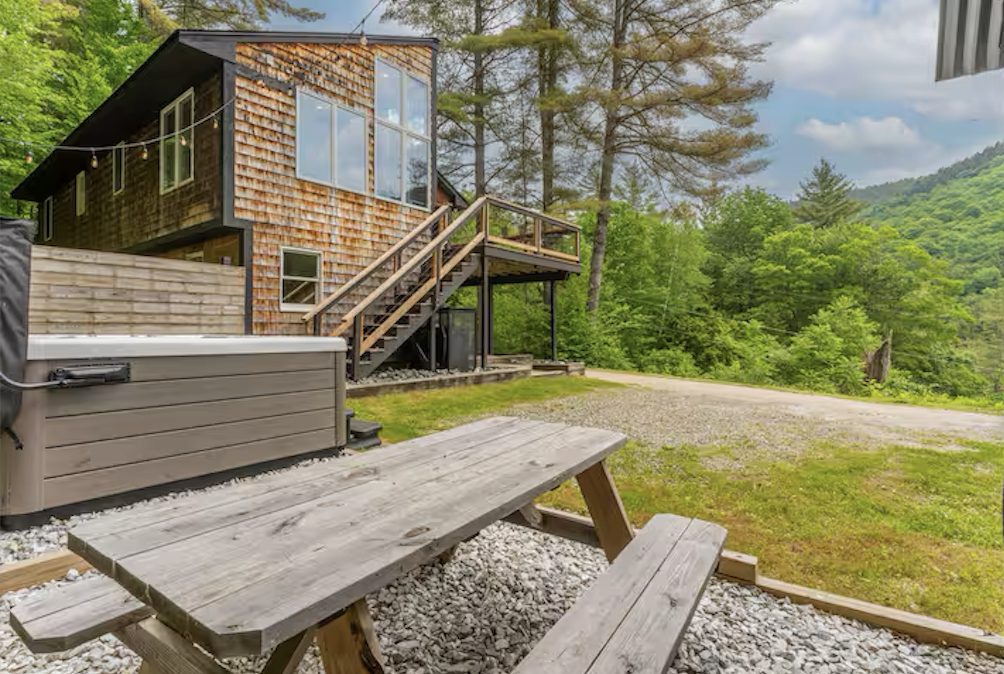
    Whether you manage a lakeside cottage, a mountain cabin, or a studio over the garage, readiness begins with safety and ends with thoughtful detail.

    At Green Mountain Property Inspections, we believe homes should not only look good—they should function well, operate safely, and deliver peace of mind to owners and guests alike.

    Before your next booking, ask yourself: Is this home truly ready for guests?

    If the answer isn’t a resounding yes, we’re here to help.


    Looking for a seasonal home inspection or rental-readiness walkthrough? Get in touch with us at Lucian@GreenMountainPropertyInspections.com or 802-310-3897.

  • Honoring Service: Why We Offer Home Inspection Discounts to Active Duty Military, Veterans, and First Responders

    Honoring Service: Why We Offer Home Inspection Discounts to Active Duty Military, Veterans, and First Responders

    There’s something foundational about service—quiet, often thankless work that keeps our communities standing when life gets unpredictable. If you’ve spent time in the military, worn a badge, or raced toward an emergency when others ran away, you already know what it means to carry that kind of responsibility. At Green Mountain Property Inspections, we believe that service deserves to be recognized in meaningful ways—not just in words, but in action.

    That’s why we offer a standing discount on home inspections to active duty military, veterans, police officers, firefighters, EMTs, and paramedics.

    Why We Offer This Discount

    Our team includes people with backgrounds in the fire service, construction, and emergency response. We’ve lived that schedule, felt the weight of that radio call, and stood in the cold long after the job was done. We understand that those who serve don’t do it for the perks—but when you’re building a life outside of the job, even a small gesture can go a long way.

    A home inspection might seem like a minor part of the home buying process. But it’s also one of the few chances a buyer has to pause, gather reliable information, and make informed decisions before taking on one of life’s biggest commitments. For those who spend their careers protecting others, we want that part of the process to feel like someone’s watching your back for a change.

    Who Is Eligible?

    We proudly extend our discount to the following:

    • Active duty military and veterans
    • National Guard and reservists
    • Police officers
    • Firefighters (career and volunteer)
    • Paramedics and EMTs

    A valid form of identification or proof of service is all we ask. No red tape, no hoops.

    How to Apply the Discount

    Booking with us is simple. Just mention your service when scheduling your inspection—whether by phone, email, or through our online form. We’ll apply the discount automatically and take care of the rest.

    If someone in your household qualifies, the discount still applies—even if they won’t be present at the inspection. We honor the whole family’s sacrifice.

    It’s About Trust

    We understand what it’s like to operate in environments where trust is everything. In your world, there’s no room for second guesses. We bring that same mindset to our inspections: thorough, honest, and clear. We call out what matters, explain what doesn’t, and always put your safety and peace of mind first.

    We’re not here to sell fear. We’re here to inform, explain, and empower you to move forward with confidence.

    A Final Word

    This discount isn’t a gimmick. It’s our way of saying thank you—not just for the job you’ve done, but for the way you’ve lived it. We believe people who show up for their communities deserve businesses that show up for them.

    So whether you’re relocating, downsizing, or stepping into your first home, we’d be honored to serve you the way you’ve served us.


    If you’d like to schedule an inspection or have questions about eligibility, reach out here. We’re ready when you are.

  • From Firefighter to Home Inspector: Why Safety Still Comes First This Fourth of July

    From Firefighter to Home Inspector: Why Safety Still Comes First This Fourth of July

    The Fourth of July holds a special place in the American story — and in the lives of homeowners across Vermont. It’s a day defined by freedom, family, and celebration. Grills are fired up, flags are flown, and neighborhoods fill with the scent of charcoal and the sound of laughter. But amid the festivities, it’s also a day when safety matters more than most people realize.

    As someone who’s worn more than one hat in the service of public safety — firefighter, EMT, construction professional, and now licensed home inspector — I’ve seen firsthand how small oversights can lead to big problems. Whether it’s a misplaced firework, an overloaded outlet, or a forgotten smoke detector, preventable hazards don’t take holidays off.

    That’s why at Green Mountain Property Inspections, safety isn’t just a checklist — it’s a mindset. And it’s one I bring with me to every inspection, every report, and every client conversation.


    A Commitment That Started Long Before the Toolkit

    Before I founded Green Mountain Property Inspections, I spent years in the fire service and emergency response. The job taught me more than tactics and teamwork — it shaped the way I see buildings, systems, and safety risks. It taught me to respect what goes unseen.

    That background, combined with years of hands-on construction experience, is what informs the inspections I do today. It’s why I pay attention to the wiring tucked into an attic, the subtle lean in a deck post, or the slightly scorched outlet near a kitchen counter. These aren’t just defects. They’re clues — subtle indicators that a home may not be as safe or efficient as it appears.

    That detail-oriented mindset is what I’ve built my business on. Whether I’m working with a first-time homebuyer, a seasoned investor, or a homeowner looking for peace of mind, my job is to surface the information that matters most. Especially when it comes to safety.


    Fourth of July: Where Fun and Fire Risk Collide

    July 4th is the biggest day of the year for fireworks — and unfortunately, for fire-related accidents. Grills, sparklers, electrical cords strung across lawns — they all carry potential hazards if overlooked.

    As you prepare to celebrate, here are a few quick safety tips I’d encourage any homeowner to consider:

    • Check your outlets – Outdoor receptacles should be GFCI-protected and weather-resistant. If you’re running extension cords for lighting or sound systems, avoid overloading circuits.
    • Mind your grill – Keep propane or charcoal grills at least 10 feet from siding, deck railings, or low-hanging branches. Clean out grease traps regularly to reduce fire risk.
    • Watch the fireworks – Even small sparklers burn at nearly 2,000°F. Keep a bucket of water nearby, supervise kids closely, and never re-light duds.
    • Inspect your deck – Before hosting guests, take a look at your deck’s support posts, railings, and stairs. Loose boards or unstable footings can turn a celebration into an ER visit.
    • Test your detectors – Make sure smoke and CO alarms are operational. They’re the last line of defense when something goes wrong.

    Most of these tips take five minutes or less. But they can be the difference between a safe, memorable holiday and a preventable emergency.


    Homeownership and Independence: A Shared Responsibility

    There’s a deeper connection between the Fourth of July and home inspections than you might expect. Independence isn’t just a political concept — it’s something we protect every day as homeowners. We strive for autonomy, for security, for the right to build a life without uncertainty.

    That starts with the home itself.

    A thorough inspection gives you knowledge. And knowledge gives you choices — whether you’re negotiating a purchase, planning renovations, or simply understanding your home’s long-term needs. It’s about making informed decisions, not reactive ones.

    And just like good governance, good homeownership depends on accountability. That’s the standard I hold myself to every time I walk into a crawlspace or open a service panel.


    Wrapping Up: Safety First, Celebration Always

    At Green Mountain Property Inspections, my mission is to help you enjoy your home — not worry about it. Whether you’re lighting sparklers with your kids, hosting a backyard barbecue, or simply relaxing on your porch with a view of Vermont’s fireworks, you deserve the peace of mind that comes from knowing your home is safe.

    So this Independence Day, enjoy everything the season brings. Just take a moment to remember: safety isn’t a barrier to fun. It’s what makes fun possible.

    Happy Fourth. Stay safe, and enjoy your home.

  • Cool Under Pressure: A Systems Approach to HVAC Maintenance During a Heat Wave

    Cool Under Pressure: A Systems Approach to HVAC Maintenance During a Heat Wave

    Welcome to The Inspector’s Notebook
    Whether you’re a new homeowner, a seasoned investor, or simply interested in understanding the systems that make your home work, we’re glad you’re here. Each post is written with the goal of helping you make better-informed decisions about your home—because a well-maintained house isn’t just about structure, but resilience. Now, let’s talk about cooling systems.


    We tend to notice systems only when they fail

    When the sun bears down and the air outside hangs thick with humidity, there’s one system in your home that becomes not just important—but essential. Your HVAC cooling system isn’t just about comfort during a heat wave. It’s about safety, efficiency, and the long-term health of your home.

    If you’re reading this in the middle of a sweltering Vermont summer, you’re not alone. Heat waves push cooling systems to their limits. Unfortunately, that’s also when these systems are most likely to fail. As home inspectors, we see the aftermath of deferred HVAC maintenance more often than we’d like—and it’s usually during the hottest week of the year.

    So, let’s shift the equation. A little preventive care now can mean a cooler, safer, and more affordable summer. Here’s what every homeowner should know.


    1. Air Filters: The Hidden Chokepoint

    It is easy to dismiss air filters as replaceable parts, like light bulbs or batteries. But this view ignores their role in maintaining system equilibrium. A clogged filter reduces airflow, strains the blower motor, and risks ice forming on the evaporator coils—often cascading into a full-system shutdown.

    What to do:
    Change your filters every 30–60 days during periods of heavy use. If you have pets or live in a high-pollen area, shorten that window. Don’t wait for symptoms—act proactively.


    2. The Outdoor Unit: An Engine Exposed

    The condenser is often treated as a sealed, invulnerable box. But this metal structure, typically out behind the house or beside a deck, is constantly interacting with its environment. Grass clippings, leaves, insects, and even neighborhood construction dust can obstruct its function. When airflow is impeded, pressure rises. And when pressure rises, failures follow.

    What to do:
    Cut back vegetation to maintain a 2-foot perimeter. Gently clean the fins with a hose. Avoid using high-pressure jets, which can damage the delicate coil surfaces. And above all—turn off the power first.


    3. Thermostats: More Than Set-and-Forget

    The thermostat is not just a dial for temperature; it’s a regulator of demand. Poorly programmed or outdated thermostats contribute to short-cycling, uneven wear, and inefficient cooling. A system that constantly ramps up and down is not just less effective—it’s operating against its own lifespan.

    What to do:
    Use programmable or smart thermostats to reduce strain during peak hours. 78°F while home is often a healthy balance between comfort and energy savings. Higher when away. This isn’t just about comfort—it’s about slowing entropy.


    4. Ductwork: The Unseen Highways

    Cooling systems move air, but not all air is moved equally. Leaky ducts send conditioned air into attics and crawlspaces—unoccupied zones that gain comfort at your expense. This inefficiency is not felt as a jolt, but as a slow bleed in performance and energy costs.

    What to do:
    If you notice rooms that won’t cool or hear whistling noises, have your ducts checked. Professional sealing and insulation can correct unseen loss and restore proper system balance.


    5. Annual Tune-Ups: An Ounce of Prevention

    Many systems fail not because of a single event, but due to accumulated neglect. HVAC systems in particular suffer from what might be called invisible decay—refrigerant leaks too small to notice, electrical components weakening under thermal stress, or microbial growth in damp coils. These issues compound over time, until the entire system fails—often on the hottest day of the year.

    What to do:
    Schedule a professional HVAC inspection once per year. The best time is before a crisis. The goal is not just to repair but to observe the trajectory of wear. You want to be ahead of failure, not behind it.


    A Final Note: Maintenance Is a Form of Intelligence

    To maintain a system is to understand it. It is also to respect its complexity. HVAC systems are not simple machines. They are interdependent mechanisms governed by physics, time, and environment. To treat them casually is to ignore the way small causes produce large effects.

    So if you haven’t checked your filters, walked your condenser, or thought about your thermostat settings recently—do it now. Not out of panic, but because systems deserve stewardship. And in the middle of a heat wave, that stewardship just might keep your home cool under pressure.

    At Green Mountain Property Inspections, we see HVAC systems at every stage of life—from brand-new installs to units on their last legs. If you’re unsure about your system’s condition or need a second set of eyes, we’re here to help.

    Stay cool, stay safe—and don’t forget to change that filter.

  • Beyond the Inspection: Cultivating Long‑Term Confidence in Your Home

    Beyond the Inspection: Cultivating Long‑Term Confidence in Your Home

    When I sit down after an inspection — headphones off, laptop at the ready — I’m left with a realization: true peace of mind isn’t a clean report sent over email. It’s a cultivated confidence, earned over time, through understanding the living systems that make a house a home. That’s the deeper work we pursue at Green Mountain Property Inspections.

    1. From Static Reports to Dynamic Understanding

    An inspection report is often seen as a static snapshot: “Here are the issues, here’s what’s broken, here’s what needs fixing.” But homes aren’t static. They breathe, shift, and age. We advise clients to ask, “How will this change six months from now? A year? Five?”

    This mindset shifts the conversation:

    • Budgeting for resilience rather than repairs.
    • Planning preventative upgrades — sealing a vulnerable foundation crack now saves you from major structural fixes later.
    • Recognizing patterns in moisture, settling, or wear that hint at emerging problems.

    It’s about equipping you not just with a list, but with foresight and control.

    2. Investing in System Literacy

    We demystify the jargon of framing, moisture intrusion, load dynamics, and airflow. A report doesn’t just say “ventilation is inadequate.” It explains:

    • Why that matters — in terms of air quality, energy bills, and mold risk.
    • How you can address it — whether via simple filter changes or mechanical upgrades.
    • What a responsive monitoring routine looks like — a seasonal walkthrough, a checklist for gutter clearance or attic humidity.

    We want you to see your home as a network — each element interlinked — so small adjustments ripple into lasting improvements.

    3. Building a Collaborative Journey

    Our approach isn’t “inspect-and-dash.” It’s assess‑and-align. You’re in this with us. We invite you into the process:

    • A live walkthrough where questions aren’t just welcomed — they steer the narrative.
    • A report that speaks your language — no scare tactics, no fluff — just clarity and honest thresholds.
    • Follow‑ups that aren’t optional — post‑inspection check‑ins ensure you’ve translated insight into action and feel supported throughout.

    Much like mentors in science or coaching in high‑stakes teams, we seek a conversation that extends beyond a single meeting.

    4. Seeing the Home as an Ecosystem

    At Green Mtn., we view each property as layered: structural, mechanical, environmental, behavioral. A cracked foundation isn’t just a puzzle of concrete—it’s a sign of drainage issues, soil movement, vegetation pressure. A noisy HVAC system isn’t just a nuisance—it’s a clue to energy inefficiency, filter neglect, or duct leakage.

    Approaching homes this way transforms how you invest in them. You stop fixing parts and start nurturing systems. You budget not just for repairs but for resilience.

    5. Why This Matters More Than Ever

    We live in a time of climate shifts, aging building stock, and tightening energy standards. The line between a good inspection and a strong investment is whether you’re prepared for what the future demands. A home that fails us is rarely because the inspector missed something—it’s because no one taught us how to listen to what the house is already telling us.


    In Summary: Turning Knowledge into Confidence

    The value of our inspections isn’t in what we find — it’s in what you gain:

    • sense of systems, woven through foundation, framing, ventilation, and more.
    • timeline of attention, where you know what to watch now and what to schedule later.
    • trusted partnership, in which you come prepared, informed, and supported from walkthrough to closing.

    Our aim is to help your home give you peace of mind — not uncertainty. And that peace is built over time: through clarity, context, and continued commitment.


    Want to keep growing that home‑confident mindset?
    Reach out any time. Schedule a seasonal check‑in inspection. Let’s talk about your long‑term home gameplan — grounded in insight, guided by expertise, and inspired by your goals.


    Stay tuned to The Inspector’s Notebook for field‑tested wisdom on building safety, sustainability, and strategies that endure.