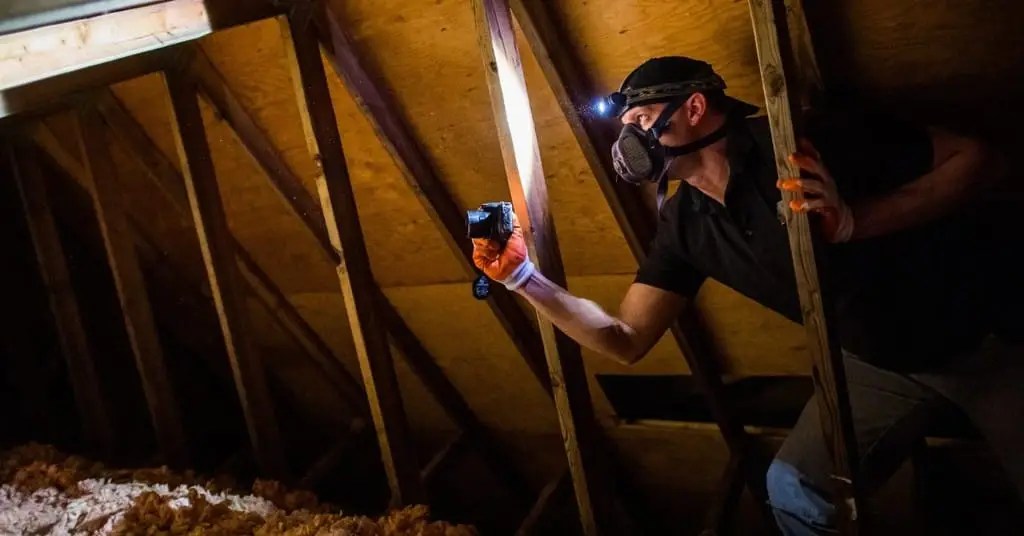
It’s 6:30 a.m. in Northern Vermont. The mist is still rising off the pastures, and the coffee in my thermos is just hitting the sweet spot between too hot to sip and not worth sipping. This is the quiet moment before the work begins—a time to take stock of the day ahead, sharpen my mindset, and remind myself why I do what I do.
Home inspection is part science, part storytelling. It’s not about passing or failing a house. It’s about interpreting the clues a structure leaves behind and giving people the knowledge to make confident decisions. Each inspection is an unfolding narrative—one told in roof lines, foundation walls, rust stains, flickering lights, and occasionally, the unmistakable evidence of a determined mouse.
8:00 a.m. – The First Inspection
My first stop today is a 1920s colonial on the edge of St. Albans. It’s charming, no doubt, but charm doesn’t carry joist loads or insulate attics. I park, gear up, and greet the buyer—a young couple moving up from Montpelier. They’re excited, and rightly so. This is a big step.
As I step into the home, I start my process: exterior first. Roofing, siding, grading, drainage. Then the mechanical systems. Furnace, electrical panel, plumbing distribution, insulation—everything tells a story. Some stories whisper, others shout. Today, the boiler is whispering. It’s oversized and short cycling. That’s a note to make: not a defect, but a performance concern worth watching.
11:15 a.m. – Document, Photograph, Educate
Throughout the inspection, I’m taking notes—yes, for the report, but also for the people. It’s one thing to identify an issue. It’s another to explain it in a way that makes sense to a first-time buyer without sending them into a panic spiral.
For example, a GFCI that doesn’t trip isn’t a reason to walk away from a house. It’s a $20 fix. But I don’t gloss over it. I explain the function, the risk, and how to resolve it. My job isn’t just to inspect. It’s to inform without alarm, to highlight without hyperbole.
1:00 p.m. – Drive, Lunch, and Decompress
Between inspections, I reset. Grab lunch, respond to emails, and update my software. Sometimes I review images or moisture readings. Sometimes I call a client to walk them through their report from the day before. The work doesn’t stop when the tools go back in the bag.
3:30 p.m. – Wrap-Up and Report Writing
By the time I return home, I’m tracking more than dirt on my boots. I’m carrying hours of data, photos, observations, and narratives. Now comes the writing—my favorite part.
The inspection report isn’t just documentation. It’s a map for the client. I build it defect by defect, with clean structure: a clear title, an honest narrative, and a specific recommendation. No fluff. No scare tactics. Just facts, findings, and a path forward.
The Quiet Satisfaction
Some days it’s cold. Some days it’s pouring. Some days I crawl through cobwebbed crawlspaces that feel like something out of a Stephen King novel. But every day, I get to help someone understand their investment, protect their future, and sleep a little better that night.
That’s why I do it.
Because at the heart of every inspection is a family, a dream, and a roof they hope will hold. And I take that seriously.
Interested in what a professional inspection might reveal about your home or the one you’re about to buy?
Visit www.greenmountainpropertyinspections.com for scheduling, FAQs, and insights from the field.
Your property. My priority.
 The Inspector's Notebook
Leave a comment