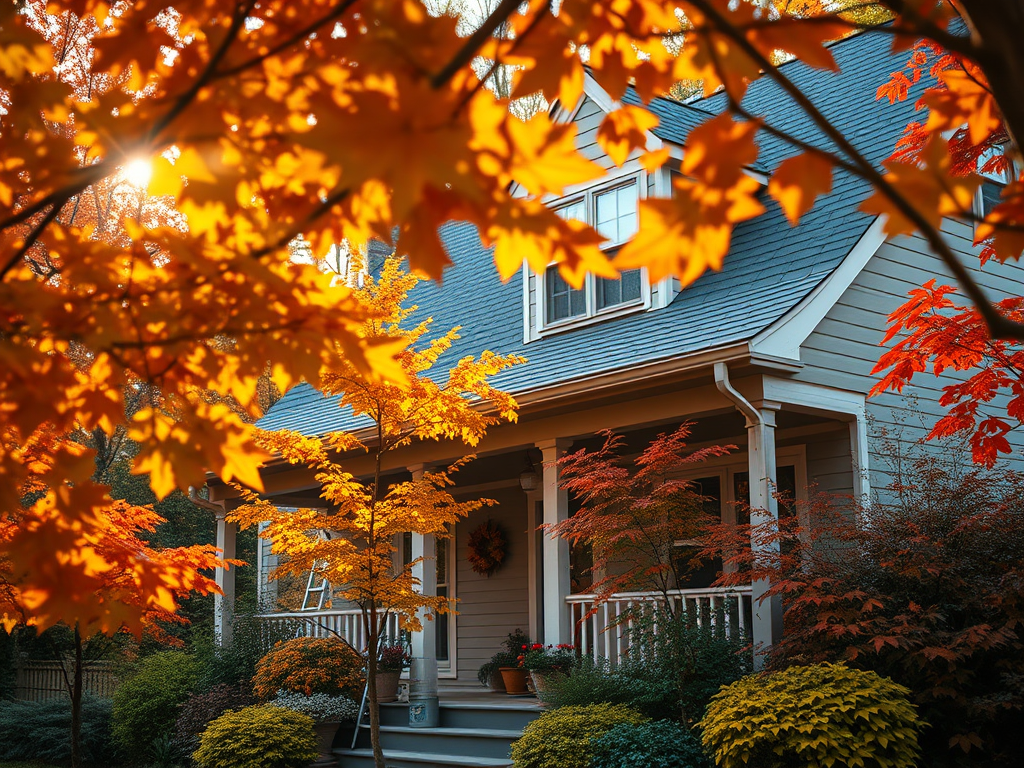
As autumn settles across the hills of the Northeast, the air cools, the maples turn brilliant, and a quiet urgency fills the landscape. In this season between abundance and endurance, our homes—like us—must prepare for what’s ahead. The first frost is not merely a date on the calendar; it’s a reminder that maintenance neglected now will make itself known when the snow falls and the wind presses against the siding.
For homeowners in Vermont and the surrounding region, fall is a time of stewardship. The work we do in October and November often determines the comfort, efficiency, and longevity of our homes through the long winter that follows.
Below are several key areas worth your attention—tasks that, while seemingly modest, form the foundation of a well-kept and resilient home.
1. Roofs and Gutters: Where Prevention Begins
Few systems are as directly tested by winter as the roof. Before the snow piles up, take time to inspect your shingles, flashing, and ridge caps for signs of wear or displacement. Even a small gap in flashing can allow meltwater to infiltrate, freeze, and expand—turning a minor defect into costly damage.
Clear the gutters and downspouts thoroughly. Clogged gutters are not simply an eyesore; they are an engine of ice dams, which can force water beneath the roof covering and into attic insulation or wall cavities. Ensure that each downspout discharges well away from the foundation and install splash blocks where needed to direct runoff.
2. The Furnace and Chimney: Warming Without Worry
Heating systems deserve early attention. Schedule a service inspection before the first sustained cold snap—filters replaced, burners cleaned, and safety switches tested. A well-tuned system not only saves fuel but also operates more safely and evenly.
If you heat with wood or pellets, have the chimney cleaned and inspected for creosote buildup or structural cracks. Chimney fires, though preventable, are not uncommon in Vermont’s older homes. An annual sweep ensures that your first fire of the season is a comfort, not a risk.
3. Windows, Doors, and Drafts: The Quiet Thieves of Heat
A home can lose a surprising amount of energy through small openings around windows and doors. Run your hand along the trim on a windy day—you’ll feel where the warmth escapes. Re-caulking and weather-stripping are inexpensive measures that can drastically improve comfort and efficiency.
For older sash windows, consider using removable interior storm panels or shrink-film kits as a temporary barrier. The goal is not perfection, but prudence: to balance preservation of character with the realities of a New England winter.
4. Water Systems: The Unforgiving Nature of Ice
Any exterior hose bib should be drained and shut off from the interior valve. Disconnect garden hoses, even those labeled “freeze-resistant.” In unconditioned areas—crawlspaces, garages, and basements—inspect for exposed supply lines and insulate them as needed. A frozen pipe is more than an inconvenience; it’s a failure of foresight.
If you rely on a sump pump, test it now. Verify that it cycles properly and that its discharge line is clear. Fall rains and winter thaws can saturate the soil, and a pump that fails in January is a problem no homeowner wants to discover by touch.
5. Exterior and Landscape: Managing Water and Weight
Walk your property after a rainfall. Observe where water pools near the foundation or drive. These clues will guide you toward subtle grading issues that, if corrected now, prevent frost heave and seepage later. Trim back branches that overhang the roof or power lines—ice and snow can make even small limbs hazardous.
Store outdoor furniture, secure fuel tanks, and cover vents or window wells that might collect debris. In the Northeast, the natural world doesn’t rest; it shifts and presses, testing every boundary. A little preparation now allows your home to meet that test with quiet strength.
6. Safety Systems: Simple Checks That Save Lives
Autumn is also the perfect time to check smoke and carbon monoxide detectors. Replace batteries, test each unit, and confirm that a working detector is installed on every level—especially near sleeping areas and gas-fired appliances. These small devices often stand between inconvenience and tragedy.
A Season of Maintenance, Not of Hurry
Home maintenance, at its best, is not an act of anxiety—it’s an act of respect. Respect for the structure that shelters you, and for the rhythm of the seasons that shape life in the Northeast. We cannot control the weather, but we can ensure our homes are ready to meet it.
As the leaves fall and the first frost appears on the windshield, take a weekend to walk through your home with deliberate care. Each item checked off your list is a quiet promise—to yourself and your family—that you’ve prepared well for the months ahead.
Green Mountain Property Inspections
Licensed Vermont Home Inspector | InterNACHI Certified
Serving homeowners and realtors throughout northern Vermont with professionalism, precision, and care.

 The Inspector's Notebook
Leave a comment