Category: HVAC

  • Practical Ways to Keep Your Home Warm as Temperatures Plunge

    Practical Ways to Keep Your Home Warm as Temperatures Plunge

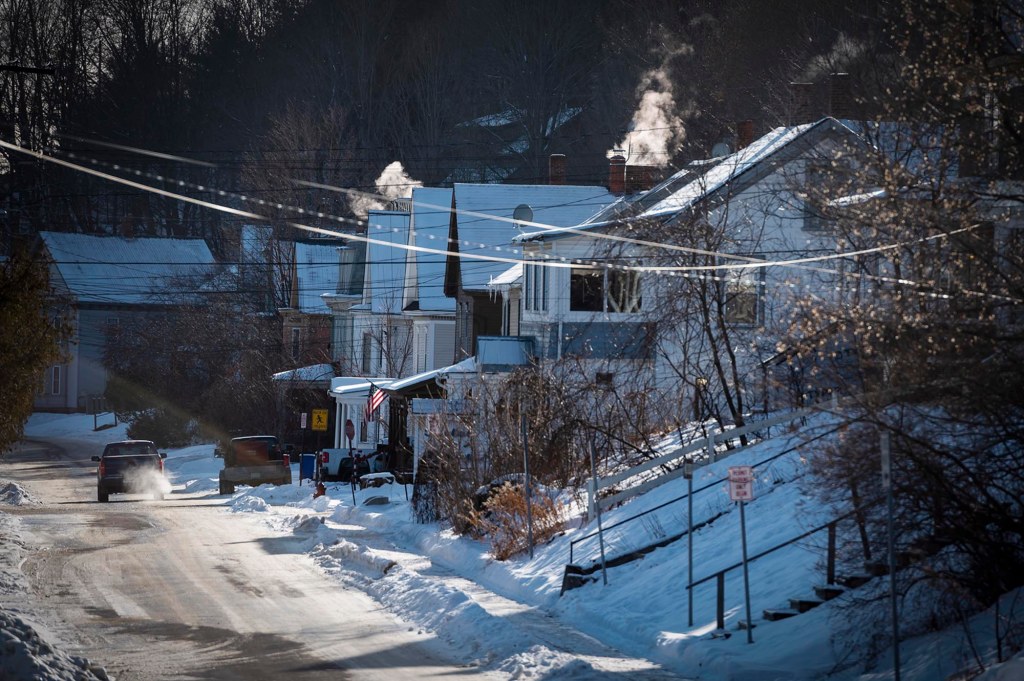
    Tonight, Vermont is expected to see the coldest temperatures of the season—an abrupt reminder that winter still has plenty of strength left. When the mercury drops this far, the cold stops being a background condition and becomes something you can almost feel pressing against the walls. Nights like this reveal how well our homes hold heat, how prepared our systems are, and how small oversights can ripple into bigger problems.

    But extreme cold doesn’t have to catch you off guard. With a few well-timed steps, you can help your home stay warm, stable, and efficient through the night. What follows are grounded, practical measures—nothing alarmist, nothing theoretical. Just the things that make the biggest difference when the cold settles in and stays awhile.


    1. Lock In Heat Before the Temperature Plummets

    Tonight’s cold will search for the tiniest escape routes.
    Warmth is lost in places we rarely look: around windows, under doors, through attic hatches, and around plumbing penetrations.

    Before the temperature bottoms out:

    • Check exterior doors for drafts and reinforce with fresh weatherstripping if needed.
    • Close and lock windows to ensure a tight seal—a simple, often overlooked step.
    • Cover drafty windows with insulating plastic or heavy curtains.

    Think of this as tightening your home’s thermal envelope right as winter tries its hardest to break through.


    2. Give Your Home a Heat-Holding Advantage

    Insulation is quiet, invisible, and absolutely crucial on nights like this. Heat rises, and the attic is the first place it tries to leave.

    A quick evening check can help keep that warmth where you need it:

    • Confirm that attic access panels close fully and sit flat.
    • Ensure insulation hasn’t shifted, especially near rooflines or eaves.
    • Close off unused rooms to concentrate heat in the living spaces you’re relying on tonight.

    This is the structural equivalent of putting on an extra layer before heading outside.


    3. Set Your Heating System Up for Success

    When temperatures drop sharply, your heating equipment works harder than at any other time. Giving it a small amount of attention now can carry you through the coldest hours of the night.

    • Replace or clean furnace filters to improve airflow and efficiency.
    • Make sure heat-pump outdoor units are clear of snow and ice.
    • Verify fuel levels—cold snaps accelerate consumption.
    • Keep vents and radiators unobstructed so heat can circulate freely.

    Your heating system doesn’t need perfection—it needs a clear path to operate without strain.


    4. Protect Plumbing From Freezing Overnight

    Extreme cold can freeze pipes faster than most homeowners expect, especially in marginally insulated areas.

    To reduce that risk:

    • Open kitchen and bathroom cabinet doors to let warm air reach supply lines.
    • Let vulnerable faucets drip lightly; moving water resists freezing.
    • Know the location of your main shut-off valve in case a pipe does freeze.

    Think of plumbing as a system that thrives on circulation and warmth. Tonight, both matter more than usual.


    5. Use Curtains and Blinds as Thermal Tools

    When used intentionally, window coverings become part of your heating strategy.

    • Open curtains during the day to collect solar heat.
    • Close them before sunset to trap that heat during the coldest hours.
    • For older windows, add a rolled towel or draft snake along the sill for extra protection.

    These small steps create a meaningful buffer against the radiant cold creeping in from the glass.


    6. Prepare for the Possibility of Overnight Power Issues

    Extreme low temperatures and snow-laden branches can strain power lines. While outages aren’t guaranteed, tonight’s weather makes them more likely.

    A few simple preparations go a long way:

    • Make sure flashlights, lanterns, and portable chargers are ready.
    • Verify that carbon monoxide detectors have fresh batteries.
    • If you have a safe alternative heat source (like a wood stove), ensure it’s ready for use.

    A calm, prepared home stays comfortable even when the unexpected happens.


    7. Keep Vents and Exhaust Clear as Snow Accumulates

    Combustion appliances require uninterrupted airflow. During heavy snow and wind, vents can become blocked without you noticing.

    Before settling in for the night:

    • Check that furnace, boiler, and dryer vents are fully clear.
    • Ensure the heat pump has space around it to breathe.
    • Watch for unusual system shutdowns or odors—both can signal airflow issues.

    These are simple, high-impact checks, especially when temperatures drop into the danger zone.


    8. Lean Into the Natural Movement of Heat

    Warm air rises, pools, shifts, and escapes. A few small adjustments help keep it where it matters:

    • Set ceiling fans to low, reverse to gently push warm air back down.
    • Close doors to unused rooms, especially those without heat sources.
    • Keep hallways open to allow even distribution of warmth.

    You’re not forcing anything—you’re aligning your home with the physics of warmth.


    Final Thoughts

    Tonight’s cold is the kind that defines a season. But a well-prepared home doesn’t just endure it—it handles it with quiet resilience. These steps aren’t complicated, yet each plays a role in helping your home retain warmth, protect its systems, and stay comfortable through the deepest part of the night.

    If you’d like help evaluating your home’s winter readiness or understanding how cold affects its systems, Green Mountain Property Inspections is here to support you with clear, evidence-based guidance tailored to Vermont homes.

    Stay warm, stay prepared, and let your home meet the cold with confidence.
  • Seeing the Unseen: Thermal Imaging Now Included in Standard Home Inspections

    Seeing the Unseen: Thermal Imaging Now Included in Standard Home Inspections

    Every home tells a story. Some of it is written plainly in the walls, the rooflines, and the flooring under your feet. But some chapters are hidden—in the spaces between wall studs, behind ceilings, and under the surface where the naked eye can’t reach.

    For years, inspectors have relied on visible signs and physical clues to piece together the condition of a property. That’s still the cornerstone of a great inspection. But now, we’re turning a new page.

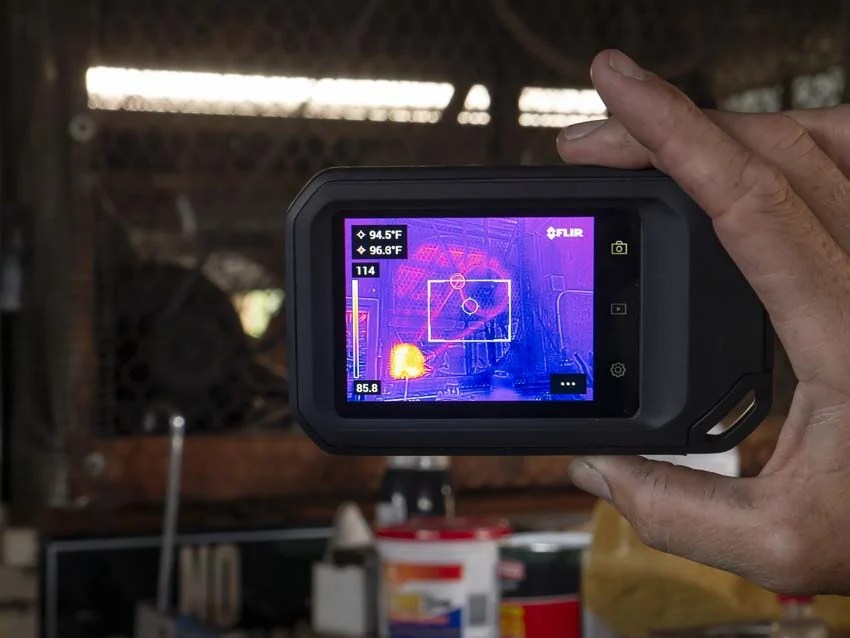
    I’m excited to announce that thermal imaging is now a standard part of my home inspection process. This technology uses infrared cameras to detect minute differences in temperature across surfaces, helping to identify conditions that might otherwise go unnoticed—things like insulation gaps, moisture intrusion, overheating electrical components, or even air leaks that can affect comfort and efficiency.

    Thermal imaging isn’t x-ray vision, and it doesn’t replace a trained inspector’s judgment. But when used thoughtfully, it adds a new layer of depth to our evaluations. It helps confirm what we suspect, raises questions when something doesn’t seem right, and in some cases, prevents costly surprises for buyers and homeowners alike.

    By incorporating this tool into every inspection, I’m expanding the range of issues I can detect early—without cutting into the clarity and objectivity you count on me for. You’ll still receive the same thorough, InterNACHI-compliant inspection you expect, but now with the added benefit of seeing your home through a new lens—one that can reveal what’s happening beneath the surface.

    If knowledge is power, then thermal imaging is like adding another watt to the bulb. It’s not about finding problems where none exist—it’s about giving you the clearest possible picture of your investment, so you can make decisions with confidence.

    I’m looking forward to putting this technology to work for you on your next inspection. If you’d like to see firsthand what your home looks like in infrared, schedule your inspection today—and let’s uncover the whole story together.

  • Honoring Service: Why We Offer Home Inspection Discounts to Active Duty Military, Veterans, and First Responders

    Honoring Service: Why We Offer Home Inspection Discounts to Active Duty Military, Veterans, and First Responders

    There’s something foundational about service—quiet, often thankless work that keeps our communities standing when life gets unpredictable. If you’ve spent time in the military, worn a badge, or raced toward an emergency when others ran away, you already know what it means to carry that kind of responsibility. At Green Mountain Property Inspections, we believe that service deserves to be recognized in meaningful ways—not just in words, but in action.

    That’s why we offer a standing discount on home inspections to active duty military, veterans, police officers, firefighters, EMTs, and paramedics.

    Why We Offer This Discount

    Our team includes people with backgrounds in the fire service, construction, and emergency response. We’ve lived that schedule, felt the weight of that radio call, and stood in the cold long after the job was done. We understand that those who serve don’t do it for the perks—but when you’re building a life outside of the job, even a small gesture can go a long way.

    A home inspection might seem like a minor part of the home buying process. But it’s also one of the few chances a buyer has to pause, gather reliable information, and make informed decisions before taking on one of life’s biggest commitments. For those who spend their careers protecting others, we want that part of the process to feel like someone’s watching your back for a change.

    Who Is Eligible?

    We proudly extend our discount to the following:

    • Active duty military and veterans
    • National Guard and reservists
    • Police officers
    • Firefighters (career and volunteer)
    • Paramedics and EMTs

    A valid form of identification or proof of service is all we ask. No red tape, no hoops.

    How to Apply the Discount

    Booking with us is simple. Just mention your service when scheduling your inspection—whether by phone, email, or through our online form. We’ll apply the discount automatically and take care of the rest.

    If someone in your household qualifies, the discount still applies—even if they won’t be present at the inspection. We honor the whole family’s sacrifice.

    It’s About Trust

    We understand what it’s like to operate in environments where trust is everything. In your world, there’s no room for second guesses. We bring that same mindset to our inspections: thorough, honest, and clear. We call out what matters, explain what doesn’t, and always put your safety and peace of mind first.

    We’re not here to sell fear. We’re here to inform, explain, and empower you to move forward with confidence.

    A Final Word

    This discount isn’t a gimmick. It’s our way of saying thank you—not just for the job you’ve done, but for the way you’ve lived it. We believe people who show up for their communities deserve businesses that show up for them.

    So whether you’re relocating, downsizing, or stepping into your first home, we’d be honored to serve you the way you’ve served us.


    If you’d like to schedule an inspection or have questions about eligibility, reach out here. We’re ready when you are.

  • Cool Under Pressure: A Systems Approach to HVAC Maintenance During a Heat Wave

    Cool Under Pressure: A Systems Approach to HVAC Maintenance During a Heat Wave

    Welcome to The Inspector’s Notebook
    Whether you’re a new homeowner, a seasoned investor, or simply interested in understanding the systems that make your home work, we’re glad you’re here. Each post is written with the goal of helping you make better-informed decisions about your home—because a well-maintained house isn’t just about structure, but resilience. Now, let’s talk about cooling systems.


    We tend to notice systems only when they fail

    When the sun bears down and the air outside hangs thick with humidity, there’s one system in your home that becomes not just important—but essential. Your HVAC cooling system isn’t just about comfort during a heat wave. It’s about safety, efficiency, and the long-term health of your home.

    If you’re reading this in the middle of a sweltering Vermont summer, you’re not alone. Heat waves push cooling systems to their limits. Unfortunately, that’s also when these systems are most likely to fail. As home inspectors, we see the aftermath of deferred HVAC maintenance more often than we’d like—and it’s usually during the hottest week of the year.

    So, let’s shift the equation. A little preventive care now can mean a cooler, safer, and more affordable summer. Here’s what every homeowner should know.


    1. Air Filters: The Hidden Chokepoint

    It is easy to dismiss air filters as replaceable parts, like light bulbs or batteries. But this view ignores their role in maintaining system equilibrium. A clogged filter reduces airflow, strains the blower motor, and risks ice forming on the evaporator coils—often cascading into a full-system shutdown.

    What to do:
    Change your filters every 30–60 days during periods of heavy use. If you have pets or live in a high-pollen area, shorten that window. Don’t wait for symptoms—act proactively.


    2. The Outdoor Unit: An Engine Exposed

    The condenser is often treated as a sealed, invulnerable box. But this metal structure, typically out behind the house or beside a deck, is constantly interacting with its environment. Grass clippings, leaves, insects, and even neighborhood construction dust can obstruct its function. When airflow is impeded, pressure rises. And when pressure rises, failures follow.

    What to do:
    Cut back vegetation to maintain a 2-foot perimeter. Gently clean the fins with a hose. Avoid using high-pressure jets, which can damage the delicate coil surfaces. And above all—turn off the power first.


    3. Thermostats: More Than Set-and-Forget

    The thermostat is not just a dial for temperature; it’s a regulator of demand. Poorly programmed or outdated thermostats contribute to short-cycling, uneven wear, and inefficient cooling. A system that constantly ramps up and down is not just less effective—it’s operating against its own lifespan.

    What to do:
    Use programmable or smart thermostats to reduce strain during peak hours. 78°F while home is often a healthy balance between comfort and energy savings. Higher when away. This isn’t just about comfort—it’s about slowing entropy.


    4. Ductwork: The Unseen Highways

    Cooling systems move air, but not all air is moved equally. Leaky ducts send conditioned air into attics and crawlspaces—unoccupied zones that gain comfort at your expense. This inefficiency is not felt as a jolt, but as a slow bleed in performance and energy costs.

    What to do:
    If you notice rooms that won’t cool or hear whistling noises, have your ducts checked. Professional sealing and insulation can correct unseen loss and restore proper system balance.


    5. Annual Tune-Ups: An Ounce of Prevention

    Many systems fail not because of a single event, but due to accumulated neglect. HVAC systems in particular suffer from what might be called invisible decay—refrigerant leaks too small to notice, electrical components weakening under thermal stress, or microbial growth in damp coils. These issues compound over time, until the entire system fails—often on the hottest day of the year.

    What to do:
    Schedule a professional HVAC inspection once per year. The best time is before a crisis. The goal is not just to repair but to observe the trajectory of wear. You want to be ahead of failure, not behind it.


    A Final Note: Maintenance Is a Form of Intelligence

    To maintain a system is to understand it. It is also to respect its complexity. HVAC systems are not simple machines. They are interdependent mechanisms governed by physics, time, and environment. To treat them casually is to ignore the way small causes produce large effects.

    So if you haven’t checked your filters, walked your condenser, or thought about your thermostat settings recently—do it now. Not out of panic, but because systems deserve stewardship. And in the middle of a heat wave, that stewardship just might keep your home cool under pressure.

    At Green Mountain Property Inspections, we see HVAC systems at every stage of life—from brand-new installs to units on their last legs. If you’re unsure about your system’s condition or need a second set of eyes, we’re here to help.

    Stay cool, stay safe—and don’t forget to change that filter.