Category: Uncategorized

  • What the Foundation: How to Spot Trouble at the Base of Your Home

    What the Foundation: How to Spot Trouble at the Base of Your Home

    Your home stands on its foundation—but how often do you stand with it?

    The foundation is one of the most overlooked components of a home, yet it plays a silent, critical role in supporting everything above it. When things go wrong here, the consequences tend to ripple upward—cracked walls, sticking doors, uneven floors—and left unchecked, foundation problems can snowball into costly repairs or even safety hazards.

    At Green Mountain Property Inspections, we believe in bringing attention to the quiet corners of your home that matter most. Let’s talk about what’s under your feet—literally.


    Why the Foundation Matters

    Your foundation isn’t just concrete in the ground. It’s a system designed to carry the weight of your entire house, manage water around the structure, and keep everything level and stable. A compromised foundation can lead to structural issues, plumbing problems, and a diminished property value.

    When foundations begin to fail, the signs are often subtle—until they’re not.


    What to Look For: Clues from the Ground Up

    Homeowners don’t need to be engineers to spot early warning signs. A quick visual inspection, done seasonally or after major weather events, can help catch issues before they become serious. Here’s what to keep an eye on:

    1. Cracks in Walls or Ceilings

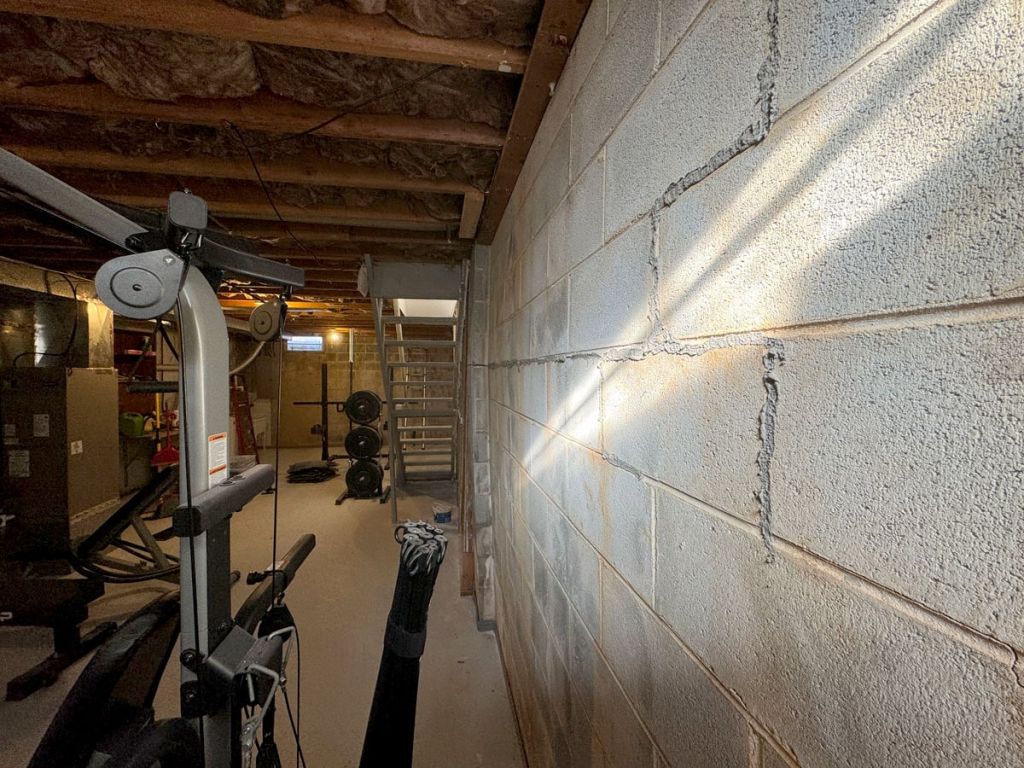
    Hairline cracks may be normal in older homes due to settling, but wide, horizontal, or stair-step cracks can signal foundation movement. Take note of new or expanding cracks.

    2. Doors and Windows That Stick

    If a door used to swing easily and now scrapes the floor or won’t latch properly, it could be more than humidity—it might be uneven settling.

    3. Uneven Floors

    Do your floors slope? Feel spongy or bouncy? A shifting foundation can cause framing components to twist or warp, which shows up underfoot.

    4. Gaps Around Windows or Exterior Trim

    Check for widening gaps between siding and trim, or between window frames and the walls. These can be signs the structure is moving apart.

    5. Moisture in the Basement or Crawlspace

    Foundations are vulnerable to water intrusion. Persistent dampness, pooling water, or signs of efflorescence (a white powdery residue) are all red flags.


    Don’t Just Watch—Act

    Foundational issues tend not to fix themselves. If you’re noticing any of the signs above, don’t wait until the next rainstorm or cold snap exposes the problem further. A professional inspection provides clarity, identifies root causes, and outlines solutions—whether it’s simple drainage correction or structural reinforcement.

    And even if your foundation is in great shape, knowing it’s been inspected and understood adds real peace of mind. Just as you’d never ignore the roof over your head, don’t forget the ground beneath your feet.


    A Final Thought

    Your home may have character, charm, and curb appeal—but all of that depends on the strength and stability of the structure it rests on. At Green Mountain Property Inspections, we treat foundations not as afterthoughts, but as foundational truths. Because when you really want to understand a home, you start from the bottom.

    What the foundation is doing today… tells the story of what the home will be tomorrow.

    If you’re unsure about the condition of your foundation or want a professional set of eyes on your home, we’re here to help—rooted in integrity, and grounded in Vermont values.

  • What Guides the Guide? A Look Inside InterNACHI’s Standards of Practice

    What Guides the Guide? A Look Inside InterNACHI’s Standards of Practice

    When you hire a home inspector, you’re not just bringing in a second set of eyes — you’re asking for clarity in the face of uncertainty. You’re buying peace of mind. And yet, few pause to ask: what guides the inspector? What determines what they examine, and what they don’t? What defines a “standard” inspection?

    At the heart of professional home inspections lies the Standards of Practice (SOP) — a framework designed not just to inform, but to protect. Specifically, we follow the InterNACHI Standards of Practice, a living document that provides the backbone for ethical, thorough, and consistent inspections across the industry.

    Let’s peel back the layers and see what’s inside.


    What Are the InterNACHI Standards of Practice?

    InterNACHI — the International Association of Certified Home Inspectors — is the world’s largest trade organization for residential and commercial property inspectors. Their SOP is a clearly defined document that sets the minimum requirements for a home inspection.

    In other words, it tells inspectors what they shall inspect, what they may inspect, and what is considered outside the scopeof a standard home inspection.

    Think of it as a map. Not the territory, but an essential guide that ensures every inspection meets a consistent level of quality — from a ranch house in rural Vermont to a brownstone in downtown Boston.


    What Does an Inspector Look At?

    According to InterNACHI’s SOP, a general home inspection includes a visual, non-invasive examination of the major systems and components that are readily accessible. These typically include:

    • Roofing
    • Exterior siding, trim, decks, and porches
    • Structural components (as visible)
    • Plumbing, electrical, and HVAC systems
    • Interior features like walls, ceilings, floors, doors, and windows
    • Attics, basements, and crawlspaces
    • Insulation and ventilation
    • Fireplaces and fuel-burning appliances

    Each of these categories contains subcategories and specific performance expectations. For instance, the inspector must report on roof covering materials, but they’re not required to walk on the roof if it’s unsafe.


    What’s Not Included? (And Why That Matters)

    InterNACHI’s SOP is not a crystal ball. It does not include destructive testing, code compliance verification, or predictions about future performance. We don’t open up walls. We don’t move furniture or operate shut-off valves. We’re generalists — trained to identify red flags that may require a specialist’s deeper investigation.

    This is where the document does something brilliant: it sets expectations.

    Clients know what they’re getting. Inspectors know where their responsibility begins — and ends. And that clarity benefits everyone.

    Why the SOP Matters — Especially in Vermont

    In Vermont, home inspectors are required to be licensed by the state — and with that license comes the obligation to perform inspections according to recognized standards. The InterNACHI Standards of Practice (SOP) are among the most widely respected and frequently referenced guidelines in the industry, and they serve as the professional foundation for many Vermont inspectors.

    At Green Mountain Property Inspections, we don’t just meet the minimum state requirements — we align with InterNACHI’s SOP because it represents a higher standard of clarity, integrity, and client protection. It ensures that every inspection we perform is rooted in consistency and professionalism, no matter the property type or location.

    In a regulated industry like Vermont’s, adhering to a clearly defined SOP isn’t just good practice — it’s required. But how we apply those standards is where experience, judgment, and communication truly matter.

    We bring more than compliance to the job — we bring confidence.

    The Bottom Line

    Home inspection is more than a checklist — it’s a conversation between the visible and the hidden, the known and the uncertain. The InterNACHI Standards of Practice provide the language for that conversation.

    They ensure that every inspection is clear, professional, and consistent — no matter the home, no matter the inspector.

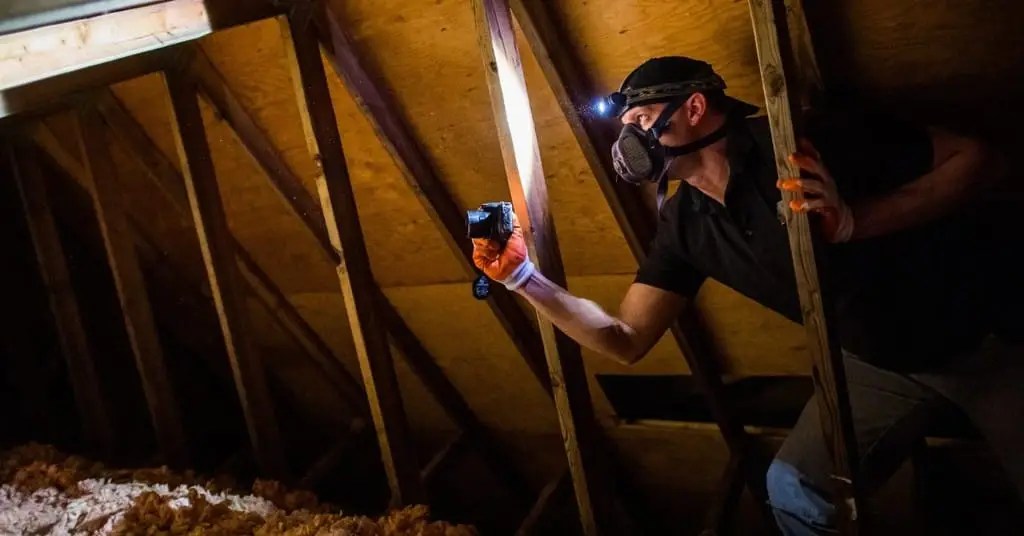
    So the next time you’re buying, selling, or simply curious about the state of your home, remember: we’re not just showing up with a flashlight and a ladder. We’re showing up with a standard.

    And that makes all the difference.


    Want to Learn More?
    Visit http://www.nachi.org/sop for the full InterNACHI Standards of Practice.

    Subscribe to The Inspector’s Notebook for insights that bring homes — and the systems behind them — into focus.

  • A Day in the Life of a Home Inspector: Behind the Scenes of Vermont’s Unsung Guardians

    A Day in the Life of a Home Inspector: Behind the Scenes of Vermont’s Unsung Guardians

    It’s 6:30 a.m. in Northern Vermont. The mist is still rising off the pastures, and the coffee in my thermos is just hitting the sweet spot between too hot to sip and not worth sipping. This is the quiet moment before the work begins—a time to take stock of the day ahead, sharpen my mindset, and remind myself why I do what I do.

    Home inspection is part science, part storytelling. It’s not about passing or failing a house. It’s about interpreting the clues a structure leaves behind and giving people the knowledge to make confident decisions. Each inspection is an unfolding narrative—one told in roof lines, foundation walls, rust stains, flickering lights, and occasionally, the unmistakable evidence of a determined mouse.

    8:00 a.m. – The First Inspection

    My first stop today is a 1920s colonial on the edge of St. Albans. It’s charming, no doubt, but charm doesn’t carry joist loads or insulate attics. I park, gear up, and greet the buyer—a young couple moving up from Montpelier. They’re excited, and rightly so. This is a big step.

    As I step into the home, I start my process: exterior first. Roofing, siding, grading, drainage. Then the mechanical systems. Furnace, electrical panel, plumbing distribution, insulation—everything tells a story. Some stories whisper, others shout. Today, the boiler is whispering. It’s oversized and short cycling. That’s a note to make: not a defect, but a performance concern worth watching.

    11:15 a.m. – Document, Photograph, Educate

    Throughout the inspection, I’m taking notes—yes, for the report, but also for the people. It’s one thing to identify an issue. It’s another to explain it in a way that makes sense to a first-time buyer without sending them into a panic spiral.

    For example, a GFCI that doesn’t trip isn’t a reason to walk away from a house. It’s a $20 fix. But I don’t gloss over it. I explain the function, the risk, and how to resolve it. My job isn’t just to inspect. It’s to inform without alarm, to highlight without hyperbole.

    1:00 p.m. – Drive, Lunch, and Decompress

    Between inspections, I reset. Grab lunch, respond to emails, and update my software. Sometimes I review images or moisture readings. Sometimes I call a client to walk them through their report from the day before. The work doesn’t stop when the tools go back in the bag.

    3:30 p.m. – Wrap-Up and Report Writing

    By the time I return home, I’m tracking more than dirt on my boots. I’m carrying hours of data, photos, observations, and narratives. Now comes the writing—my favorite part.

    The inspection report isn’t just documentation. It’s a map for the client. I build it defect by defect, with clean structure: a clear title, an honest narrative, and a specific recommendation. No fluff. No scare tactics. Just facts, findings, and a path forward.

    The Quiet Satisfaction

    Some days it’s cold. Some days it’s pouring. Some days I crawl through cobwebbed crawlspaces that feel like something out of a Stephen King novel. But every day, I get to help someone understand their investment, protect their future, and sleep a little better that night.

    That’s why I do it.

    Because at the heart of every inspection is a family, a dream, and a roof they hope will hold. And I take that seriously.


    Interested in what a professional inspection might reveal about your home or the one you’re about to buy?
    Visit www.greenmountainpropertyinspections.com for scheduling, FAQs, and insights from the field.

    Your property. My priority.

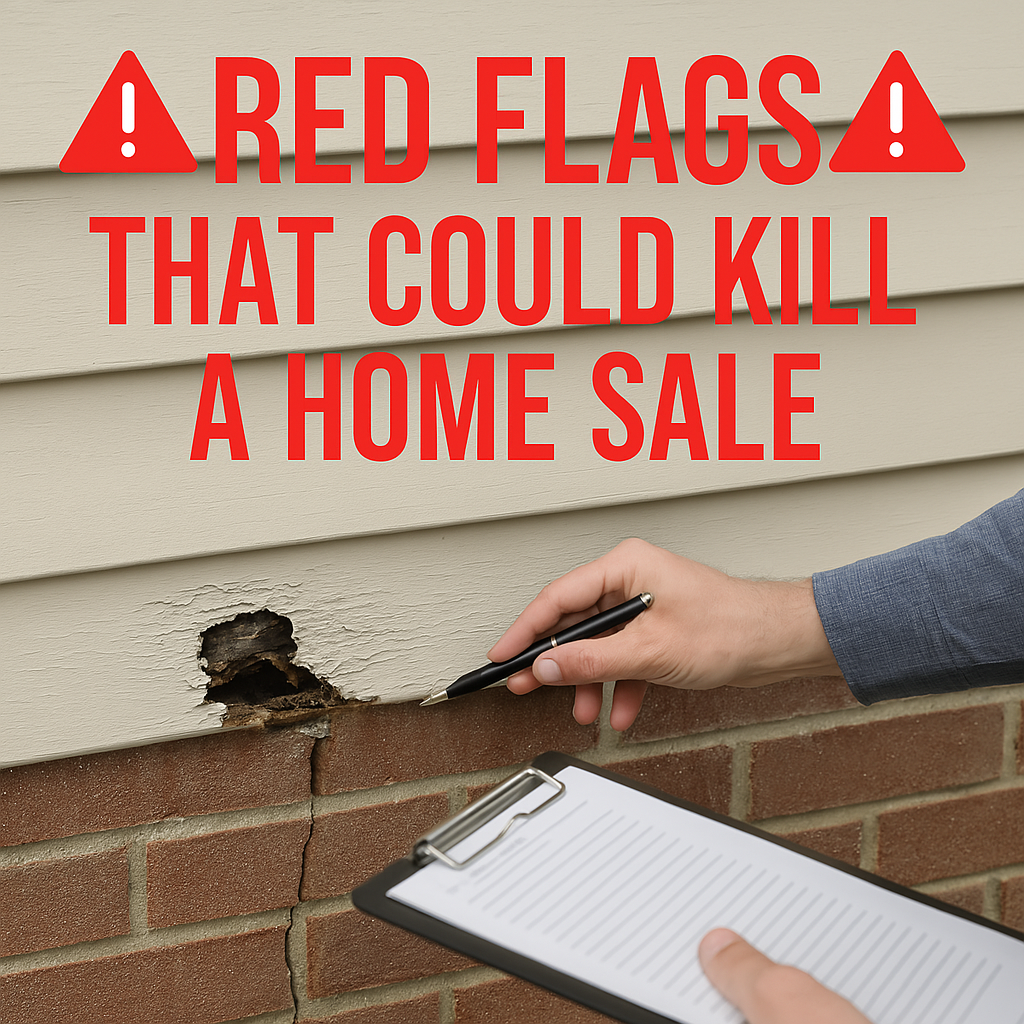
  • 🚩 Red Flags That Could Kill a Home Sale

    When buyers walk through a home, they’re envisioning where the couch might go, which room gets the best light, and whether the kitchen backsplash clashes with their air fryer.

    But as a licensed home inspector, my focus is a little different.
    I’m looking for the red flags—the ones that don’t show up in the listing photos or open house walkthroughs. The kind that, once discovered, can delay closing… or kill the deal entirely.

    Whether you’re selling, buying, or representing clients in either role, here are three of the most common deal-breakers I find during inspections—and why they matter.


    1. Structural Damage: The Foundation of the Problem

    Cracked foundations, sagging floors, and bowing basement walls aren’t just cosmetic concerns—they signal instability. And once buyers hear words like “settlement,” “piering,” or “structural engineer,” they often get cold feet (or ask for major concessions).

    What to look for:

    • Horizontal cracks in foundation walls
    • Uneven floors or door frames that no longer square
    • Water intrusion near support beams

    Why it matters:
    Structural issues usually come with high price tags—and higher buyer anxiety.


    2. Roofing Problems: When It’s More Than Just Shingles

    The roof is one of the most expensive systems to repair or replace, and a poor roof can lead to hidden water damage, mold, and insulation breakdown. If a buyer learns mid-deal that the roof has five years (or less) of life left, they may renegotiate—or walk.

    What to look for:

    • Curling or missing shingles
    • Visible sagging
    • Leaks in attic or ceiling stains

    Why it matters:
    It’s not just the cost—it’s the uncertainty. No buyer wants to inherit a ticking time bomb over their heads.


    3. Active Plumbing Leaks: Small Drips, Big Problems

    A slow leak under the kitchen sink may seem minor. But if there’s evidence of ongoing water damage—like rotted cabinetry, mold growth, or warped floors—it raises questions about maintenance and what else might be lurking beneath the surface.

    What to look for:

    • Water stains on ceilings or walls
    • Musty smells in bathrooms, basements, or under sinks
    • Active dripping from pipes or fixtures

    Why it matters:
    Leaks signal neglect—and water damage can be deceptively expensive to remediate.


    Final Thoughts: Protect the Deal by Getting Ahead

    These red flags don’t have to end a sale—but they can if they’re discovered late. The earlier they’re addressed, the more control everyone has over how to respond.

    That’s why I always recommend pre-listing inspections for sellers and thorough buyer inspections before closing. These small investments often prevent major delays, last-minute negotiations, or deals falling apart altogether.

    After all, selling or buying a home is stressful enough. You shouldn’t have to gamble on what’s hidden behind the drywall.

    📩 Ready to uncover what’s really going on with your property?
    Schedule your inspection today, and walk into closing with confidence.