Blog

  • Beyond the Inspection: Cultivating Long‑Term Confidence in Your Home

    Beyond the Inspection: Cultivating Long‑Term Confidence in Your Home

    When I sit down after an inspection — headphones off, laptop at the ready — I’m left with a realization: true peace of mind isn’t a clean report sent over email. It’s a cultivated confidence, earned over time, through understanding the living systems that make a house a home. That’s the deeper work we pursue at Green Mountain Property Inspections.

    1. From Static Reports to Dynamic Understanding

    An inspection report is often seen as a static snapshot: “Here are the issues, here’s what’s broken, here’s what needs fixing.” But homes aren’t static. They breathe, shift, and age. We advise clients to ask, “How will this change six months from now? A year? Five?”

    This mindset shifts the conversation:

    • Budgeting for resilience rather than repairs.
    • Planning preventative upgrades — sealing a vulnerable foundation crack now saves you from major structural fixes later.
    • Recognizing patterns in moisture, settling, or wear that hint at emerging problems.

    It’s about equipping you not just with a list, but with foresight and control.

    2. Investing in System Literacy

    We demystify the jargon of framing, moisture intrusion, load dynamics, and airflow. A report doesn’t just say “ventilation is inadequate.” It explains:

    • Why that matters — in terms of air quality, energy bills, and mold risk.
    • How you can address it — whether via simple filter changes or mechanical upgrades.
    • What a responsive monitoring routine looks like — a seasonal walkthrough, a checklist for gutter clearance or attic humidity.

    We want you to see your home as a network — each element interlinked — so small adjustments ripple into lasting improvements.

    3. Building a Collaborative Journey

    Our approach isn’t “inspect-and-dash.” It’s assess‑and-align. You’re in this with us. We invite you into the process:

    • A live walkthrough where questions aren’t just welcomed — they steer the narrative.
    • A report that speaks your language — no scare tactics, no fluff — just clarity and honest thresholds.
    • Follow‑ups that aren’t optional — post‑inspection check‑ins ensure you’ve translated insight into action and feel supported throughout.

    Much like mentors in science or coaching in high‑stakes teams, we seek a conversation that extends beyond a single meeting.

    4. Seeing the Home as an Ecosystem

    At Green Mtn., we view each property as layered: structural, mechanical, environmental, behavioral. A cracked foundation isn’t just a puzzle of concrete—it’s a sign of drainage issues, soil movement, vegetation pressure. A noisy HVAC system isn’t just a nuisance—it’s a clue to energy inefficiency, filter neglect, or duct leakage.

    Approaching homes this way transforms how you invest in them. You stop fixing parts and start nurturing systems. You budget not just for repairs but for resilience.

    5. Why This Matters More Than Ever

    We live in a time of climate shifts, aging building stock, and tightening energy standards. The line between a good inspection and a strong investment is whether you’re prepared for what the future demands. A home that fails us is rarely because the inspector missed something—it’s because no one taught us how to listen to what the house is already telling us.


    In Summary: Turning Knowledge into Confidence

    The value of our inspections isn’t in what we find — it’s in what you gain:

    • sense of systems, woven through foundation, framing, ventilation, and more.
    • timeline of attention, where you know what to watch now and what to schedule later.
    • trusted partnership, in which you come prepared, informed, and supported from walkthrough to closing.

    Our aim is to help your home give you peace of mind — not uncertainty. And that peace is built over time: through clarity, context, and continued commitment.


    Want to keep growing that home‑confident mindset?
    Reach out any time. Schedule a seasonal check‑in inspection. Let’s talk about your long‑term home gameplan — grounded in insight, guided by expertise, and inspired by your goals.


    Stay tuned to The Inspector’s Notebook for field‑tested wisdom on building safety, sustainability, and strategies that endure.

  • What to Expect During a Home Inspection: A Step-by-Step Guide

    What to Expect During a Home Inspection: A Step-by-Step Guide

    Understanding the Real Role of Inspection in the Survival of Your Investment

    At first glance, the home inspection seems like a formality—another line item in the long list of boxes to check before closing. But that interpretation misunderstands what the inspection actually is: a critical filter in a system prone to failure.

    In a market driven by emotion, marketing, and negotiation, the home inspection remains one of the last opportunities to engage with reality—to observe the physical structure in its current evolutionary state and determine whether it’s viable for long-term habitation.

    This guide isn’t about soothing your anxiety. It’s about sharpening your awareness.


    Step 1: Why the Inspection Exists at All

    Let’s start with a basic truth: every home degrades over time. Systems fail, materials decay, and short-sighted renovations introduce unseen vulnerabilities.

    Yet buyers are expected to make massive financial commitments based on walkthroughs and listing photos. That’s a recipe for misalignment between perception and consequence.

    The home inspection exists to introduce a constraint of truth—a friction point where marketing yields to material conditions. It’s not just about finding defects; it’s about surfacing signals from a complex system.


    Step 2: The Inspection Day — What Actually Happens

    When an inspector arrives, they are entering an ecosystem: a dynamic structure where multiple interdependent systems—electrical, structural, thermal, and hydrological—interact in both predictable and emergent ways.

    The inspector observes, probes, and documents. But unlike a diagnostic in medicine, this inspection is constrained. We don’t cut into walls or unearth buried pipes. Instead, we interpret surface signals—indicators of deeper health or risk.

    The inspection typically unfolds like this:

    • Exterior systems: grading, drainage, siding, windows, roof, and foundation. These are the boundary defenses—the home’s interaction with its environment.
    • Interior systems: plumbing, electrical, HVAC, structure, insulation. These form the infrastructure of comfort and survivability.
    • Vulnerable zones: attics, basements, and crawlspaces. Often neglected, these areas reveal the truth most clearly.

    Step 3: What the Report Actually Represents

    The inspection report is not a list of problems. It’s a map of constraints and choices. Some issues are immediate hazards. Others are slow-burn liabilities that will compound over time.

    A good inspector won’t just tell you what’s wrong. They’ll contextualize each issue—is it systemic or isolated? Functional or cosmetic? Indicative of a pattern or merely a fluke?

    This is the real value: not a red light or green light, but a better-informed decision matrix.


    Step 4: How to Think Like an Owner, Not a Shopper

    Many buyers approach the inspection looking for reassurance. But the mature response is something else entirely: embrace what the inspection reveals as your early relationship with the home’s entropy.

    You’re not just buying a house. You’re entering into a stewardship role with a decaying structure that will demand vigilance, maintenance, and eventually replacement.

    Viewed through this lens, the inspection is an act of orientation—a calibration of expectations. It won’t eliminate risk, but it can make your risks legible.


    Step 5: Final Thoughts — Reclaiming Agency in a System Designed for Passivity

    Real estate transactions often push buyers toward passivity: “Trust the process,” they’re told. But that only works if the process is trustworthy.

    The home inspection is one of the few places where you can slow the momentum, ask hard questions, and uncover inconvenient truths. It’s not a hurdle—it’s a rare opportunity for agency.

    If you’re buying a home, don’t use the inspection to feel better. Use it to be smarter.


    If you’re buying in Vermont and want an inspector who treats your investment with the seriousness it deserves,Green Mountain Property Inspections is here to help.

    We don’t do checklists. We do clarity.

  • The Hidden Economy in Your Walls: 10 Simple Ways to Cut Energy Waste at Home

    The Hidden Economy in Your Walls: 10 Simple Ways to Cut Energy Waste at Home

    Welcome (back) to The Inspector’s Notebook—where practical insight meets long-term thinking. Whether you’re a longtime homeowner, a first-time buyer, or just someone who wants to better understand the place you live, this blog is here to help you see your home through a sharper lens. Our goal? Help you live smarter, safer, and more sustainably—without the noise.


    What if I told you your home is quietly bleeding money? Not through theft or disaster—but through inefficiency.

    Every flick of a light switch, every moment your furnace hums to life, and every unnoticed draft is part of a quiet equation most people never see. Fortunately, solving this equation doesn’t require massive lifestyle change—just awareness and small, strategic action.

    Here are ten easy, proven ways to save money and energy in your home—backed by building science and wrapped in common sense.


    1. Don’t Heat the Whole Neighborhood

    Air leaks are silent budget thieves. Gaps around windows, doors, and attic hatches allow your heated or cooled air to escape. Seal them with weatherstripping or caulk. The best energy savings aren’t glamorous—they’re hidden in the details.


    2. Let Your Thermostat Think for You

    Programmable or smart thermostats reduce heating and cooling costs by adjusting to your schedule—even when you forget. Just a few degrees of difference can translate into real savings over time, without sacrificing comfort.


    3. Rethink Water Heating

    Tankless water heaters only heat what you use, when you use it. No more paying to keep 40 gallons warm while you’re at work. They cost more upfront, but pay for themselves in efficiency—especially in homes that use moderate to high amounts of hot water.


    4. Change Your Bulbs, Change Your Bill

    Incandescent bulbs are like tiny space heaters that also happen to give off light. LEDs, on the other hand, sip electricity while lasting 25 times longer. Replacing just a few high-use bulbs can lead to noticeable monthly savings.


    5. Use Fans with Purpose

    Ceiling fans don’t cool the air—they move it. In the summer, this helps you feel cooler at a higher thermostat setting. In the winter, reversing the blade direction circulates warm air downward. It’s physics working for you, not against you.


    6. Insulate Like You Mean It

    Most heat loss occurs through the attic and walls. If your insulation is sparse, compressed, or missing entirely in spots, your heating system has to work harder. More work means more fuel. More fuel means more money—out of your pocket.


    7. Fix the Small Leaks

    A dripping hot water faucet doesn’t just waste water—it wastes the energy used to heat that water. Low-flow fixtures and timely repairs reduce the loss at both ends of the equation.


    8. Unplug the Energy Vampires

    Devices plugged in but not in use still draw power. It’s called “phantom load.” Power strips with kill switches make it easy to cut the cord when you’re not actively using electronics.


    9. Get Strategic with Landscaping

    Deciduous trees can shade your home in summer and let in sunlight during the winter. Plant them on the west and south sides of your home and you’ll use less energy to control the temperature indoors—all through the natural rhythms of the seasons.


    10. Get a Home Energy Audit

    Want the blueprint? A professional energy audit will show you exactly where your home is underperforming and how to fix it. It’s not guesswork—it’s science applied to your walls, windows, ducts, and systems.


    The Bottom Line

    Your home is a machine. And like any machine, it works best when its parts are aligned, clean, and not working harder than they need to. Saving energy isn’t just good for your wallet—it’s a quiet form of resilience. A way to protect yourself from volatility. A step toward independence.

    Efficiency isn’t just about using less—it’s about living smarter.


    If you’d like help understanding where your home could be saving more, Green Mountain Property Inspections offers energy-aware home inspections and can connect you with trusted professionals. It all starts with seeing your home for what it is—and what it could be.

  • Radon: The Invisible Risk Lurking in Your Home—and What You Can Do About It

    Radon: The Invisible Risk Lurking in Your Home—and What You Can Do About It

    Welcome back to The Inspector’s Notebook, where we unpack the invisible details that make a house a home—or a hazard. Our goal is simple: to bring peace of mind through clarity. Whether you’re a homeowner, buyer, or just someone who values a healthy living space, today’s post is about something you won’t see in your attic, crawlspace, or basement. But you should know it’s there.

    Let’s talk about radon.


    What Is Radon—and Why Should You Care?

    Radon is a naturally occurring radioactive gas. It forms when uranium in soil, rock, or water breaks down and seeps into the air you breathe—often through cracks in your foundation or basement slab. Odorless, tasteless, and invisible, radon is the second leading cause of lung cancer in the United States, responsible for over 21,000 deaths each year according to the EPA.

    This isn’t just a hypothetical danger. It’s a proven health risk. And here’s the kicker: you won’t know it’s there unless you test.


    “But I Already Own My Home…”

    Perfect—this message is especially for you.

    Radon isn’t just a concern during a real estate transaction. In fact, homes of all ages, sizes, and construction types can have high radon levels—regardless of whether they passed a test years ago. Geological shifts, settling foundations, and changes in HVAC usage can all impact radon levels over time.

    So whether you’ve lived in your home for one year or twenty, testing is a small step that could make a big difference. Think of it as a health screening for your house.


    Why Professional Testing Matters

    At Green Mountain Property Inspections, we’re proud to now offer radon testing using state-of-the-art electronic monitoring equipment. Unlike outdated charcoal canisters or DIY kits, our professional-grade monitors provide:

    • Accurate hourly readings
    • Tamper detection
    • Faster turnaround
    • Peace of mind backed by data

    We follow strict protocols to ensure reliable results and provide clear, actionable reporting—no guesswork, no jargon.


    Who Should Test for Radon?

    • Homeowners who have never tested their property—or haven’t tested in the past five years.
    • Home buyers making one of the most important decisions of their lives.
    • Real estate agents who want to offer their clients full confidence.
    • Families with young children, elderly residents, or anyone with respiratory conditions—because these groups are more vulnerable to radon exposure.

    Take the First Step Toward a Healthier Home

    Testing for radon is simple, fast, and affordable. And now that Green Mountain Property Inspections offers advanced radon testing, it’s also easier than ever.

    Reach out today to schedule your test. Because what you don’t see can hurt you—and knowing is the first step to fixing.


    Green Mountain Property Inspections
    ✔ Licensed & InterNACHI Certified
    ✔ Now Offering Radon Testing
    ✔ Serving Vermont with Integrity and Insight

    📞 802-310-3897
    🌐 http://www.greenmountainpropertyinspections.com
    📧 Lucian@greenmountainpropertyinspections.com

    Science doesn’t ask for your attention—it waits in the background. So does radon.
    Take action. Test today.

  • How Green Mnt. Property Inspections Can Help You Protect Your Biggest Investment — And Why We’re Different

    How Green Mnt. Property Inspections Can Help You Protect Your Biggest Investment — And Why We’re Different

    Welcome to The Inspector’s Notebook
    If this is your first time here, welcome — we’re glad you found us. The Inspector’s Notebook is a space where clarity meets insight. We break down the unseen systems, overlooked risks, and quiet details that can make or break your home investment. Whether you’re a first-time buyer, a seasoned investor, or a real estate professional, this blog offers field-tested advice, grounded in years of real-world experience, for navigating the complexities of property ownership. Our goal is simple: to bring peace of mind through clarity.


    How We Help You Protect Your Biggest Investment

    Let’s be honest — buying a home is one of the most emotionally charged financial decisions you’ll ever make. Beneath the freshly painted walls and the gleam of stainless appliances is an infrastructure that either supports your dream… or slowly erodes it.

    That’s where we come in. At Green Mnt. Property Inspections, we don’t just “look around.” We interrogate the systems that hold your home together. We inspect with the mindset of an advocate — someone who understands building science, sees what others miss, and helps you see it too, without the noise.

    From foundations and framing to wiring, ventilation, and drainage, we assess each component in context. Our reports are built not just to flag issues, but to help you make smart, confident decisions about your next move — whether that means requesting repairs, renegotiating, or simply walking away.


    What Makes Green Mnt. Different?

    In a saturated field, it’s not enough to be certified or to carry tools — it’s about how we think. And more importantly, how we serve.

    • We separate defects from data. Every report distinguishes between “nice to know” and “need to act.” No scare tactics. No filler. Just practical, actionable insight.
    • We prioritize clarity over complexity. If you can’t understand your inspection report, it’s not serving you. We write with one goal: make the invisible visible — and simple.
    • We show up like you matter. Because you do. We take the time to answer your questions, walk you through the process, and make sure you feel supported before, during, and after the inspection.
    • We come from a background in building trades, fire safety, and emergency services. That means we’re not just trained to spot issues — we understand risk in a way most inspectors don’t.
    • We follow InterNACHI’s highest standards. This isn’t just a job to us. It’s a responsibility. And we treat it that way.

    Final Thought: Clarity Is the Real Value

    Most homebuyers don’t regret what they knew — they regret what they didn’t. At Green Mnt. Property Inspections, we believe the best investment protection is information — clear, calm, and delivered by someone who works for you.

    Thanks for reading The Inspector’s Notebook. If you found this useful, stick around — we post regular updates on home safety, inspection tips, and ways to stay ahead of costly surprises.

    Your home should give you peace of mind — not uncertainty. Let’s keep it that way.


    Want to schedule an inspection or ask a question?
    Visit greenmountainpropertyinspections.com or reach out directly. We’re here to help — with integrity, precision, and a Vermont work ethic you can count on.

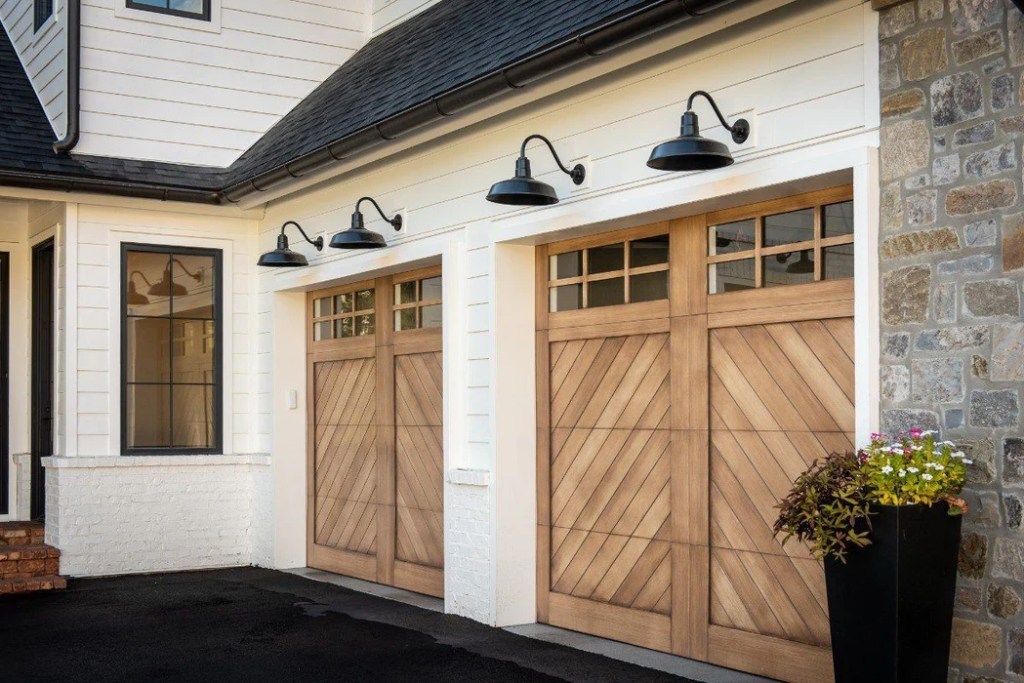
  • Beyond the Garage Door: Why Garage Inspections Deserve More Attention Than They Get

    Beyond the Garage Door: Why Garage Inspections Deserve More Attention Than They Get

    A garage is more than storage—it’s a structural component of your home with safety, fire, and moisture considerations. Learn why professional garage inspections should never be overlooked.


    Beyond the Garage Door: Why Garage Inspections Deserve More Attention Than They Get

    When most people think of a garage, they picture a storage space—somewhere to park the car, stash the mower, or pile up everything that doesn’t quite belong in the house. But beneath the clutter and behind that heavy roll-up door lies a section of the home that often escapes critical scrutiny. And that’s a mistake.

    At Green Mountain Property Inspections, we take garages seriously—not because we want to nitpick, but because garages, when overlooked, can quietly incubate some of the most consequential defects in a home.


    Garages: An Overlooked Frontier of Home Safety

    Garages occupy an unusual liminal space between “indoors” and “outdoors.” They serve as a physical and functional bridge between the elements and your living space. That means they deal with a unique combination of stresses: temperature fluctuations, vehicle emissions, mechanical vibrations, and a surprising number of combustible materials.

    And yet, many homeowners and even some inspectors skim past the garage with only a cursory glance. The assumption is simple: “It’s just a garage.”

    But what happens when a garage has improper fire separation from the main home? Or when the automatic door reverse mechanism fails and a child or pet is in harm’s way? These aren’t hypotheticals—they’re the kinds of hazards that can exist, unnoticed, until something goes wrong.


    Key Components of a Garage Inspection

    According to the standards laid out by InterNACHI (the International Association of Certified Home Inspectors), a comprehensive garage inspection includes far more than checking if the garage door opens. Here’s what we examine during a professional garage inspection:

    1. Fire Separation and Safety Barriers

    Garages that share a wall with living spaces must have proper fire-rated walls and ceilings. We check for gypsum board thickness, seams, and any penetrations that could allow fire or fumes to enter the home.

    2. Garage Door Operation and Auto-Reverse Safety

    Modern garage door openers must include a photoelectric sensor and pressure-sensitive reverse mechanism. We test these during the inspection to ensure they function properly and protect against injury.

    3. Ventilation and Moisture Concerns

    Garages often contain fuel-burning appliances like water heaters or furnaces. Without proper ventilation, carbon monoxide can accumulate. We also check for signs of moisture intrusion—stains, rust, or concrete degradation.

    4. Electrical Hazards

    Many garages become DIY electrical zones over the years. We inspect for improperly wired outlets, missing GFCI protection, and exposed splices that can pose shock or fire risks.

    5. Structural Concerns

    Cracks in the slab, sagging headers over the garage door, or improperly braced framing can indicate movement, foundation settling, or previous modifications that weren’t done to code.


    What a Garage Tells Us About the Home

    A garage is often one of the first things a builder constructs and one of the last things a homeowner updates. That means it serves as a kind of time capsule—offering clues about the home’s history, maintenance patterns, and even its future.

    When we inspect garages, we’re not just looking at the walls and doors—we’re reading a story. Was the home maintained responsibly? Were shortcuts taken during renovations? Are there signs that point to more systemic issues?

    A good garage inspection doesn’t just answer questions—it helps you ask the right ones.


    Bringing Peace of Mind, One Door at a Time

    At Green Mountain Property Inspections, we approach each garage as we do every other part of the home: thoroughly, professionally, and without assumptions. Our goal isn’t to scare buyers or overwhelm sellers—it’s to provide clarity. Because when people understand what they’re buying, they make better decisions, and better decisions build stronger communities.

    So the next time someone shrugs off the garage as “just a place for the car,” you’ll know better. Behind that door might be the key to a safer, healthier home.


    Need a Vermont garage inspection?
    Whether you’re a buyer, seller, or homeowner, Green Mountain Property Inspections is here to help. Schedule an inspection or learn more at greenmountainpropertyinspections.com

  • What Guides the Guide? A Look Inside InterNACHI’s Standards of Practice

    What Guides the Guide? A Look Inside InterNACHI’s Standards of Practice

    When you hire a home inspector, you’re not just bringing in a second set of eyes — you’re asking for clarity in the face of uncertainty. You’re buying peace of mind. And yet, few pause to ask: what guides the inspector? What determines what they examine, and what they don’t? What defines a “standard” inspection?

    At the heart of professional home inspections lies the Standards of Practice (SOP) — a framework designed not just to inform, but to protect. Specifically, we follow the InterNACHI Standards of Practice, a living document that provides the backbone for ethical, thorough, and consistent inspections across the industry.

    Let’s peel back the layers and see what’s inside.


    What Are the InterNACHI Standards of Practice?

    InterNACHI — the International Association of Certified Home Inspectors — is the world’s largest trade organization for residential and commercial property inspectors. Their SOP is a clearly defined document that sets the minimum requirements for a home inspection.

    In other words, it tells inspectors what they shall inspect, what they may inspect, and what is considered outside the scopeof a standard home inspection.

    Think of it as a map. Not the territory, but an essential guide that ensures every inspection meets a consistent level of quality — from a ranch house in rural Vermont to a brownstone in downtown Boston.


    What Does an Inspector Look At?

    According to InterNACHI’s SOP, a general home inspection includes a visual, non-invasive examination of the major systems and components that are readily accessible. These typically include:

    • Roofing
    • Exterior siding, trim, decks, and porches
    • Structural components (as visible)
    • Plumbing, electrical, and HVAC systems
    • Interior features like walls, ceilings, floors, doors, and windows
    • Attics, basements, and crawlspaces
    • Insulation and ventilation
    • Fireplaces and fuel-burning appliances

    Each of these categories contains subcategories and specific performance expectations. For instance, the inspector must report on roof covering materials, but they’re not required to walk on the roof if it’s unsafe.


    What’s Not Included? (And Why That Matters)

    InterNACHI’s SOP is not a crystal ball. It does not include destructive testing, code compliance verification, or predictions about future performance. We don’t open up walls. We don’t move furniture or operate shut-off valves. We’re generalists — trained to identify red flags that may require a specialist’s deeper investigation.

    This is where the document does something brilliant: it sets expectations.

    Clients know what they’re getting. Inspectors know where their responsibility begins — and ends. And that clarity benefits everyone.

    Why the SOP Matters — Especially in Vermont

    In Vermont, home inspectors are required to be licensed by the state — and with that license comes the obligation to perform inspections according to recognized standards. The InterNACHI Standards of Practice (SOP) are among the most widely respected and frequently referenced guidelines in the industry, and they serve as the professional foundation for many Vermont inspectors.

    At Green Mountain Property Inspections, we don’t just meet the minimum state requirements — we align with InterNACHI’s SOP because it represents a higher standard of clarity, integrity, and client protection. It ensures that every inspection we perform is rooted in consistency and professionalism, no matter the property type or location.

    In a regulated industry like Vermont’s, adhering to a clearly defined SOP isn’t just good practice — it’s required. But how we apply those standards is where experience, judgment, and communication truly matter.

    We bring more than compliance to the job — we bring confidence.

    The Bottom Line

    Home inspection is more than a checklist — it’s a conversation between the visible and the hidden, the known and the uncertain. The InterNACHI Standards of Practice provide the language for that conversation.

    They ensure that every inspection is clear, professional, and consistent — no matter the home, no matter the inspector.

    So the next time you’re buying, selling, or simply curious about the state of your home, remember: we’re not just showing up with a flashlight and a ladder. We’re showing up with a standard.

    And that makes all the difference.


    Want to Learn More?
    Visit http://www.nachi.org/sop for the full InterNACHI Standards of Practice.

    Subscribe to The Inspector’s Notebook for insights that bring homes — and the systems behind them — into focus.

  • Securing the Perimeter: Foundation Anchor Bolts and Sill Plate Protocols

    Securing the Perimeter: Foundation Anchor Bolts and Sill Plate Protocols

    In the hidden architecture of a safe home, not all heroes are visible. Beneath the drywall and between the studs lies a fundamental layer of security—one that quietly bears the weight of storms, seismic shifts, and seasonal stress. We’re talking about foundation anchor bolts and sill plate protocols, two of the most underappreciated but essential components of structural integrity.

    As a home inspector walking the line between craftsmanship and code, I see these details not as trivia—but as sentinels. Let’s explore why they matter, and what every homeowner, buyer, or builder should know.


    The Silent Connection Between Home and Earth

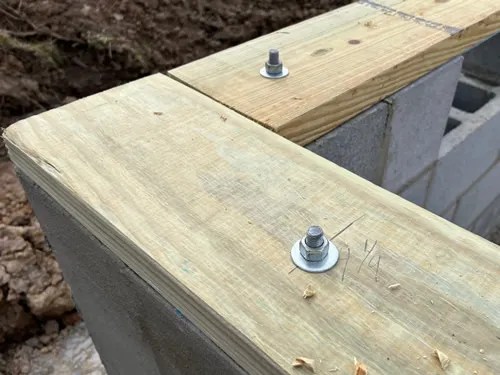
    The sill plate is the wooden framing member that rests directly on top of a home’s foundation wall. It’s the first point of contact between the house and the concrete that holds it upright. But contact isn’t enough—connection is everything.

    That’s where anchor bolts come in.

    Anchor bolts (often J-bolts or wedge anchors) are used to fasten the sill plate securely to the foundation. Their purpose? To prevent lateral movement, uplift, or separation during events like high winds, earthquakes, or even the shifting of freeze-thaw cycles. Without them—or if they’re improperly installed—a home’s entire structural shell becomes vulnerable to shifting forces.


    Installation Protocols: What the Code Requires

    According to the InterNACHI guidelines, which align closely with the International Residential Code (IRC), anchor bolts should:

    • Be at least ½ inch in diameter
    • Extend a minimum of 7 inches into the concrete
    • Be spaced no more than 6 feet apart
    • Have at least two bolts per plate, with one placed within 12 inches of the end of each piece

    Additional guidelines call for properly sized washers and nuts, and critically—tight connections that aren’t overly compressed, cracked, or corroded. Improper spacing, loose connections, or missing bolts can dramatically reduce the shear resistance of the structure.


    Common Issues Found in the Field

    In my inspections across Vermont, I’ve encountered a range of concerns—some minor, others more sobering:

    • Anchor bolts hidden by finished basements, preventing inspection
    • Plates installed over insulation rather than directly on the foundation
    • Missing or undersized bolts, particularly in older homes
    • Signs of rot or insect damage compromising the sill plate itself
    • Galvanic corrosion on bolts near moisture-prone areas

    Each of these defects, while seemingly small, points to potential points of failure if not addressed.


    Modern Reinforcement for Legacy Homes

    For older homes without anchor bolts, retrofitting is possible—and often recommended in seismically active areas. Simpson Strong-Tie and similar companies manufacture retrofit plates and bolts designed for easy integration into existing foundations. While not required in all jurisdictions, proactive reinforcement can be the difference between a home that shifts, and one that stands its ground.


    The Takeaway

    In the grand design of a home, it’s easy to get distracted by open concepts, updated kitchens, and energy-efficient windows. But a truly secure home starts at the perimeter—with solid, code-compliant anchor bolts and a properly installed sill plate.

    At Green Mountain Property Inspections, I don’t just look for what’s visible—I dig into what holds it all together. Because when the wind blows and the frost heaves, you want to be sure your home is connected, secured, and ready for what nature throws its way.


    Want to learn more?
    Check out the original article that inspired this blog post:
    🔗 Foundation Anchor Bolts and Sill Plate Protocols – InterNACHI

  • A Day in the Life of a Home Inspector: Behind the Scenes of Vermont’s Unsung Guardians

    A Day in the Life of a Home Inspector: Behind the Scenes of Vermont’s Unsung Guardians

    It’s 6:30 a.m. in Northern Vermont. The mist is still rising off the pastures, and the coffee in my thermos is just hitting the sweet spot between too hot to sip and not worth sipping. This is the quiet moment before the work begins—a time to take stock of the day ahead, sharpen my mindset, and remind myself why I do what I do.

    Home inspection is part science, part storytelling. It’s not about passing or failing a house. It’s about interpreting the clues a structure leaves behind and giving people the knowledge to make confident decisions. Each inspection is an unfolding narrative—one told in roof lines, foundation walls, rust stains, flickering lights, and occasionally, the unmistakable evidence of a determined mouse.

    8:00 a.m. – The First Inspection

    My first stop today is a 1920s colonial on the edge of St. Albans. It’s charming, no doubt, but charm doesn’t carry joist loads or insulate attics. I park, gear up, and greet the buyer—a young couple moving up from Montpelier. They’re excited, and rightly so. This is a big step.

    As I step into the home, I start my process: exterior first. Roofing, siding, grading, drainage. Then the mechanical systems. Furnace, electrical panel, plumbing distribution, insulation—everything tells a story. Some stories whisper, others shout. Today, the boiler is whispering. It’s oversized and short cycling. That’s a note to make: not a defect, but a performance concern worth watching.

    11:15 a.m. – Document, Photograph, Educate

    Throughout the inspection, I’m taking notes—yes, for the report, but also for the people. It’s one thing to identify an issue. It’s another to explain it in a way that makes sense to a first-time buyer without sending them into a panic spiral.

    For example, a GFCI that doesn’t trip isn’t a reason to walk away from a house. It’s a $20 fix. But I don’t gloss over it. I explain the function, the risk, and how to resolve it. My job isn’t just to inspect. It’s to inform without alarm, to highlight without hyperbole.

    1:00 p.m. – Drive, Lunch, and Decompress

    Between inspections, I reset. Grab lunch, respond to emails, and update my software. Sometimes I review images or moisture readings. Sometimes I call a client to walk them through their report from the day before. The work doesn’t stop when the tools go back in the bag.

    3:30 p.m. – Wrap-Up and Report Writing

    By the time I return home, I’m tracking more than dirt on my boots. I’m carrying hours of data, photos, observations, and narratives. Now comes the writing—my favorite part.

    The inspection report isn’t just documentation. It’s a map for the client. I build it defect by defect, with clean structure: a clear title, an honest narrative, and a specific recommendation. No fluff. No scare tactics. Just facts, findings, and a path forward.

    The Quiet Satisfaction

    Some days it’s cold. Some days it’s pouring. Some days I crawl through cobwebbed crawlspaces that feel like something out of a Stephen King novel. But every day, I get to help someone understand their investment, protect their future, and sleep a little better that night.

    That’s why I do it.

    Because at the heart of every inspection is a family, a dream, and a roof they hope will hold. And I take that seriously.


    Interested in what a professional inspection might reveal about your home or the one you’re about to buy?
    Visit www.greenmountainpropertyinspections.com for scheduling, FAQs, and insights from the field.

    Your property. My priority.

  • 🚩 Red Flags That Could Kill a Home Sale

    When buyers walk through a home, they’re envisioning where the couch might go, which room gets the best light, and whether the kitchen backsplash clashes with their air fryer.

    But as a licensed home inspector, my focus is a little different.
    I’m looking for the red flags—the ones that don’t show up in the listing photos or open house walkthroughs. The kind that, once discovered, can delay closing… or kill the deal entirely.

    Whether you’re selling, buying, or representing clients in either role, here are three of the most common deal-breakers I find during inspections—and why they matter.


    1. Structural Damage: The Foundation of the Problem

    Cracked foundations, sagging floors, and bowing basement walls aren’t just cosmetic concerns—they signal instability. And once buyers hear words like “settlement,” “piering,” or “structural engineer,” they often get cold feet (or ask for major concessions).

    What to look for:

    • Horizontal cracks in foundation walls
    • Uneven floors or door frames that no longer square
    • Water intrusion near support beams

    Why it matters:
    Structural issues usually come with high price tags—and higher buyer anxiety.


    2. Roofing Problems: When It’s More Than Just Shingles

    The roof is one of the most expensive systems to repair or replace, and a poor roof can lead to hidden water damage, mold, and insulation breakdown. If a buyer learns mid-deal that the roof has five years (or less) of life left, they may renegotiate—or walk.

    What to look for:

    • Curling or missing shingles
    • Visible sagging
    • Leaks in attic or ceiling stains

    Why it matters:
    It’s not just the cost—it’s the uncertainty. No buyer wants to inherit a ticking time bomb over their heads.


    3. Active Plumbing Leaks: Small Drips, Big Problems

    A slow leak under the kitchen sink may seem minor. But if there’s evidence of ongoing water damage—like rotted cabinetry, mold growth, or warped floors—it raises questions about maintenance and what else might be lurking beneath the surface.

    What to look for:

    • Water stains on ceilings or walls
    • Musty smells in bathrooms, basements, or under sinks
    • Active dripping from pipes or fixtures

    Why it matters:
    Leaks signal neglect—and water damage can be deceptively expensive to remediate.


    Final Thoughts: Protect the Deal by Getting Ahead

    These red flags don’t have to end a sale—but they can if they’re discovered late. The earlier they’re addressed, the more control everyone has over how to respond.

    That’s why I always recommend pre-listing inspections for sellers and thorough buyer inspections before closing. These small investments often prevent major delays, last-minute negotiations, or deals falling apart altogether.

    After all, selling or buying a home is stressful enough. You shouldn’t have to gamble on what’s hidden behind the drywall.

    📩 Ready to uncover what’s really going on with your property?
    Schedule your inspection today, and walk into closing with confidence.