Tag: home-improvement

  • Monitoring Your Roof During Winter Thaw Cycles in Vermont

    Monitoring Your Roof During Winter Thaw Cycles in Vermont

    A Homeowner’s Guide to Preventing Ice Dams, Leaks, and Unwelcome Surprises

    Winter in Vermont is a season of layers—fresh snowfall, bitter cold, and then, more often than we’d like, the sudden shift into above-freezing temperatures. These short-lived thaws can feel like a welcome breather from deep winter, but they bring challenges that often go unaddressed—specifically, what’s happening on your roof.

    While homeowners usually think of snowstorms as the main threat, it’s the freeze-thaw cycle that quietly stresses roofing materials, encourages ice dams, and opens pathways for water intrusion. Paying attention, especially during the melt, can prevent damage long before it becomes visible.


    Why Thaw Cycles Matter

    The physics are simple, but the consequences can be expensive.

    1. Snow melts from heat rising out of the living space below
    2. Water runs down the roof slope
    3. Temperatures drop again
    4. Meltwater freezes at the eaves, gutters, and overhangs

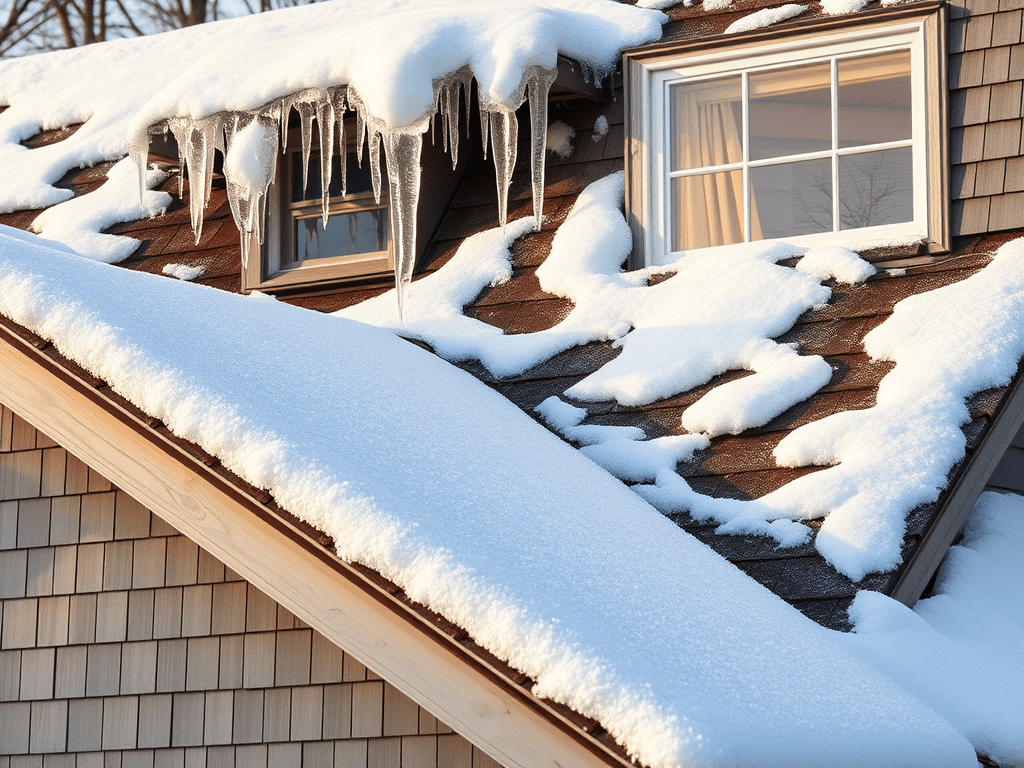
    This expands into what we know as ice dams—ridges of ice that trap water behind them. When that water has nowhere to go, it pushes upward beneath shingles, seeps into attic insulation, sneaks behind siding, and eventually shows up in the places homeowners dread most: ceilings, walls, and flooring.

    No single thaw event creates major damage on its own. It’s the repetition—day after day of melt and freeze—that stresses the system.


    What Homeowners Should Look For

    A quick walk around your property during a warm spell can be surprisingly revealing. You’re not looking for perfection—just early signals that help you stay ahead:

    1. Uneven Snow Melt
    A uniformly snowy roof is usually a good sign. Patches of bare roof while the rest remains snowy often point toward heat loss.

    2. Icicles—Pretty, but Informative
    Tiny icicles are normal. Large, heavy curtains of ice hanging along the eaves may signal trapped water or inadequate attic ventilation.

    3. Gutters Packed with Ice
    If gutters are full of frozen slush rather than flowing, water backs up behind that blockage.

    4. Wet Stains at Ceilings or Exterior Walls
    Even small, yellowish marks often come from melting that has already begun to intrude.

    Ignore these for too long and the problem grows into sagging drywall, mold, damaged insulation, and structural rot.


    The Attic’s Role—Silent Partner or Silent Problem

    The attic is where three worlds meet—cold exterior, warm interior, and the materials separating them. Problems are most likely when:

    • Insulation is thin, displaced, or patchy
    • Mechanical equipment vents into the attic instead of outdoors
    • Air leaks from bathrooms, kitchens, and living spaces warm the roof deck

    A well-insulated, well-ventilated attic keeps the roof deck closer to outside temperature. That means less melt at the ridge and fewer ice dams at the eaves.


    How Homeowners Can Stay Ahead of Damage

    You don’t need to climb ladders or get on the roof (in fact, please don’t in winter). Small preventative steps go a long way:

    • Observe the roof after storms and during thaws
      A five-minute visual check often tells you all you need to know.
    • Keep gutters and downspouts clear before winter arrives
      Debris becomes frozen dams when temperatures drop.
    • Maintain attic insulation and ventilation
      Proper airflow keeps the roof cold and predictable.
    • Use roof rakes carefully
      Removing snow from lower roof areas reduces ice dam pressure.

    If you’re unsure whether your attic needs attention, a thermal camera (or a home inspector with one) can reveal insulation gaps invisible to the eye.


    When to Bring in a Professional

    Not every ice dam needs intervention, but certain conditions should prompt a call:

    • Persistent leaks or ceiling stains
    • Heavy ice buildup at the roof edges
    • Mold-like staining inside the attic
    • Recurring moisture problems from year to year

    A qualified contractor—or a licensed home inspector during a non-emergency period—can help diagnose the underlying causes before repairs become costly.


    A Closing Thought

    Vermont winters shape our landscapes and lifestyles, and the thaw cycles are part of the rhythm. But the roof above us shoulders that burden every season—quietly, constantly, and with little recognition until something goes wrong.

    By observing your roof thoughtfully during the melt—not with anxiety, but with awareness—you stay ahead of the story instead of stepping in at the final chapter. Winter tests our homes, but informed homeowners meet those tests with confidence rather than surprise.

    And when heavy snow gives way to the sound of melting water rushing through gutters, use that moment as your reminder: winter isn’t over—but neither is your ability to protect your home from it.

  • Preparing for Winter: Essential Fall Home Maintenance Tips for Northeastern Homeowners

    Preparing for Winter: Essential Fall Home Maintenance Tips for Northeastern Homeowners

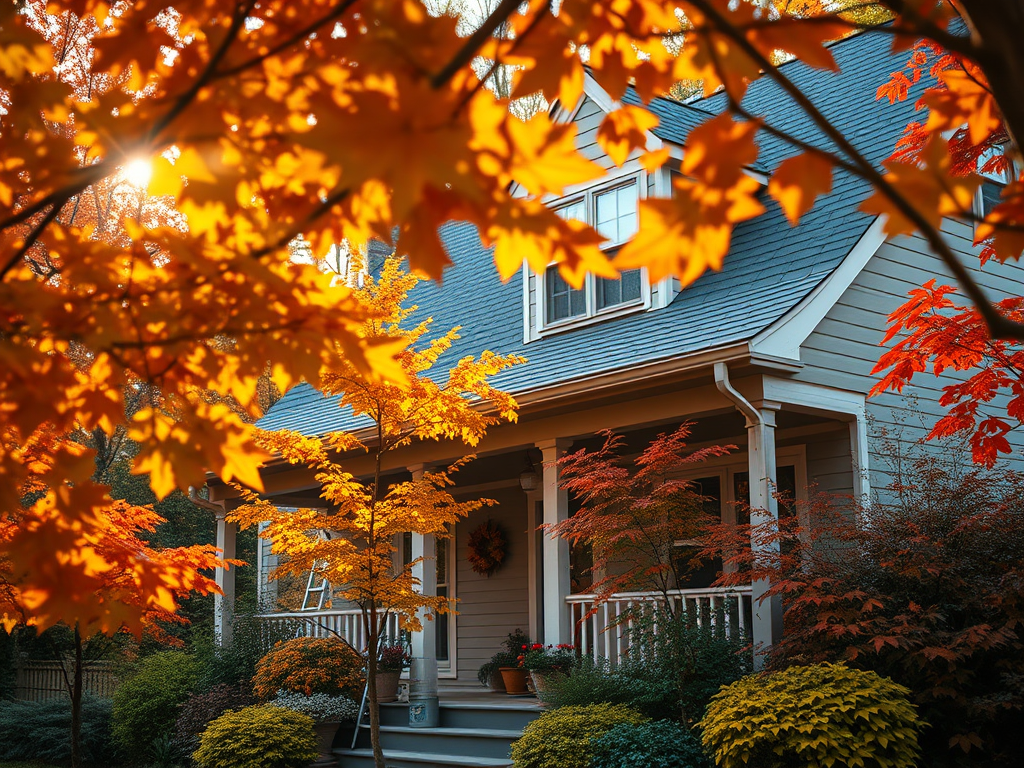
    As autumn settles across the hills of the Northeast, the air cools, the maples turn brilliant, and a quiet urgency fills the landscape. In this season between abundance and endurance, our homes—like us—must prepare for what’s ahead. The first frost is not merely a date on the calendar; it’s a reminder that maintenance neglected now will make itself known when the snow falls and the wind presses against the siding.

    For homeowners in Vermont and the surrounding region, fall is a time of stewardship. The work we do in October and November often determines the comfort, efficiency, and longevity of our homes through the long winter that follows.

    Below are several key areas worth your attention—tasks that, while seemingly modest, form the foundation of a well-kept and resilient home.


    1. Roofs and Gutters: Where Prevention Begins

    Few systems are as directly tested by winter as the roof. Before the snow piles up, take time to inspect your shingles, flashing, and ridge caps for signs of wear or displacement. Even a small gap in flashing can allow meltwater to infiltrate, freeze, and expand—turning a minor defect into costly damage.

    Clear the gutters and downspouts thoroughly. Clogged gutters are not simply an eyesore; they are an engine of ice dams, which can force water beneath the roof covering and into attic insulation or wall cavities. Ensure that each downspout discharges well away from the foundation and install splash blocks where needed to direct runoff.


    2. The Furnace and Chimney: Warming Without Worry

    Heating systems deserve early attention. Schedule a service inspection before the first sustained cold snap—filters replaced, burners cleaned, and safety switches tested. A well-tuned system not only saves fuel but also operates more safely and evenly.

    If you heat with wood or pellets, have the chimney cleaned and inspected for creosote buildup or structural cracks. Chimney fires, though preventable, are not uncommon in Vermont’s older homes. An annual sweep ensures that your first fire of the season is a comfort, not a risk.


    3. Windows, Doors, and Drafts: The Quiet Thieves of Heat

    A home can lose a surprising amount of energy through small openings around windows and doors. Run your hand along the trim on a windy day—you’ll feel where the warmth escapes. Re-caulking and weather-stripping are inexpensive measures that can drastically improve comfort and efficiency.

    For older sash windows, consider using removable interior storm panels or shrink-film kits as a temporary barrier. The goal is not perfection, but prudence: to balance preservation of character with the realities of a New England winter.


    4. Water Systems: The Unforgiving Nature of Ice

    Any exterior hose bib should be drained and shut off from the interior valve. Disconnect garden hoses, even those labeled “freeze-resistant.” In unconditioned areas—crawlspaces, garages, and basements—inspect for exposed supply lines and insulate them as needed. A frozen pipe is more than an inconvenience; it’s a failure of foresight.

    If you rely on a sump pump, test it now. Verify that it cycles properly and that its discharge line is clear. Fall rains and winter thaws can saturate the soil, and a pump that fails in January is a problem no homeowner wants to discover by touch.


    5. Exterior and Landscape: Managing Water and Weight

    Walk your property after a rainfall. Observe where water pools near the foundation or drive. These clues will guide you toward subtle grading issues that, if corrected now, prevent frost heave and seepage later. Trim back branches that overhang the roof or power lines—ice and snow can make even small limbs hazardous.

    Store outdoor furniture, secure fuel tanks, and cover vents or window wells that might collect debris. In the Northeast, the natural world doesn’t rest; it shifts and presses, testing every boundary. A little preparation now allows your home to meet that test with quiet strength.


    6. Safety Systems: Simple Checks That Save Lives

    Autumn is also the perfect time to check smoke and carbon monoxide detectors. Replace batteries, test each unit, and confirm that a working detector is installed on every level—especially near sleeping areas and gas-fired appliances. These small devices often stand between inconvenience and tragedy.


    A Season of Maintenance, Not of Hurry

    Home maintenance, at its best, is not an act of anxiety—it’s an act of respect. Respect for the structure that shelters you, and for the rhythm of the seasons that shape life in the Northeast. We cannot control the weather, but we can ensure our homes are ready to meet it.

    As the leaves fall and the first frost appears on the windshield, take a weekend to walk through your home with deliberate care. Each item checked off your list is a quiet promise—to yourself and your family—that you’ve prepared well for the months ahead.


    Green Mountain Property Inspections
    Licensed Vermont Home Inspector | InterNACHI Certified
    Serving homeowners and realtors throughout northern Vermont with professionalism, precision, and care.

  • Seeing the Unseen: Thermal Imaging Now Included in Standard Home Inspections

    Seeing the Unseen: Thermal Imaging Now Included in Standard Home Inspections

    Every home tells a story. Some of it is written plainly in the walls, the rooflines, and the flooring under your feet. But some chapters are hidden—in the spaces between wall studs, behind ceilings, and under the surface where the naked eye can’t reach.

    For years, inspectors have relied on visible signs and physical clues to piece together the condition of a property. That’s still the cornerstone of a great inspection. But now, we’re turning a new page.

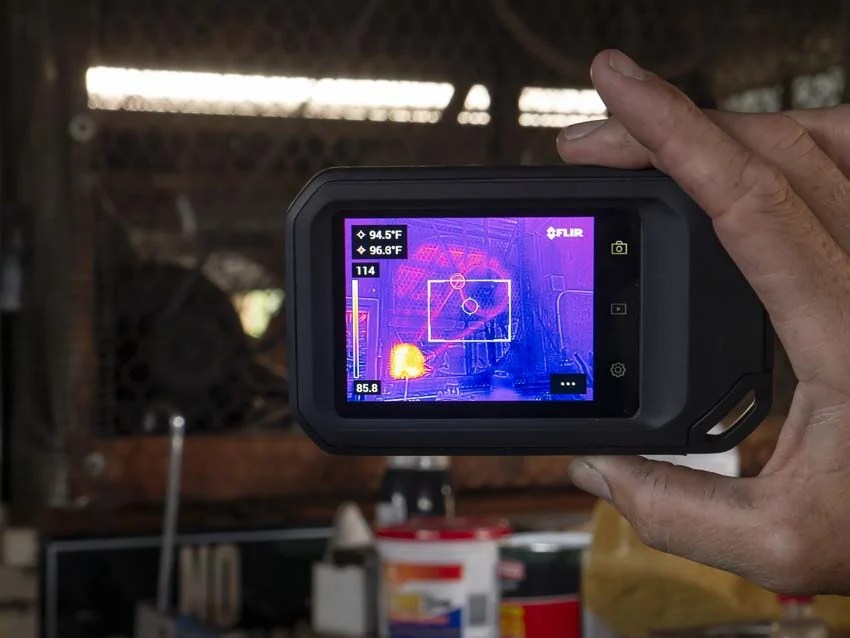
    I’m excited to announce that thermal imaging is now a standard part of my home inspection process. This technology uses infrared cameras to detect minute differences in temperature across surfaces, helping to identify conditions that might otherwise go unnoticed—things like insulation gaps, moisture intrusion, overheating electrical components, or even air leaks that can affect comfort and efficiency.

    Thermal imaging isn’t x-ray vision, and it doesn’t replace a trained inspector’s judgment. But when used thoughtfully, it adds a new layer of depth to our evaluations. It helps confirm what we suspect, raises questions when something doesn’t seem right, and in some cases, prevents costly surprises for buyers and homeowners alike.

    By incorporating this tool into every inspection, I’m expanding the range of issues I can detect early—without cutting into the clarity and objectivity you count on me for. You’ll still receive the same thorough, InterNACHI-compliant inspection you expect, but now with the added benefit of seeing your home through a new lens—one that can reveal what’s happening beneath the surface.

    If knowledge is power, then thermal imaging is like adding another watt to the bulb. It’s not about finding problems where none exist—it’s about giving you the clearest possible picture of your investment, so you can make decisions with confidence.

    I’m looking forward to putting this technology to work for you on your next inspection. If you’d like to see firsthand what your home looks like in infrared, schedule your inspection today—and let’s uncover the whole story together.

  • What the Foundation: How to Spot Trouble at the Base of Your Home

    What the Foundation: How to Spot Trouble at the Base of Your Home

    Your home stands on its foundation—but how often do you stand with it?

    The foundation is one of the most overlooked components of a home, yet it plays a silent, critical role in supporting everything above it. When things go wrong here, the consequences tend to ripple upward—cracked walls, sticking doors, uneven floors—and left unchecked, foundation problems can snowball into costly repairs or even safety hazards.

    At Green Mountain Property Inspections, we believe in bringing attention to the quiet corners of your home that matter most. Let’s talk about what’s under your feet—literally.


    Why the Foundation Matters

    Your foundation isn’t just concrete in the ground. It’s a system designed to carry the weight of your entire house, manage water around the structure, and keep everything level and stable. A compromised foundation can lead to structural issues, plumbing problems, and a diminished property value.

    When foundations begin to fail, the signs are often subtle—until they’re not.


    What to Look For: Clues from the Ground Up

    Homeowners don’t need to be engineers to spot early warning signs. A quick visual inspection, done seasonally or after major weather events, can help catch issues before they become serious. Here’s what to keep an eye on:

    1. Cracks in Walls or Ceilings

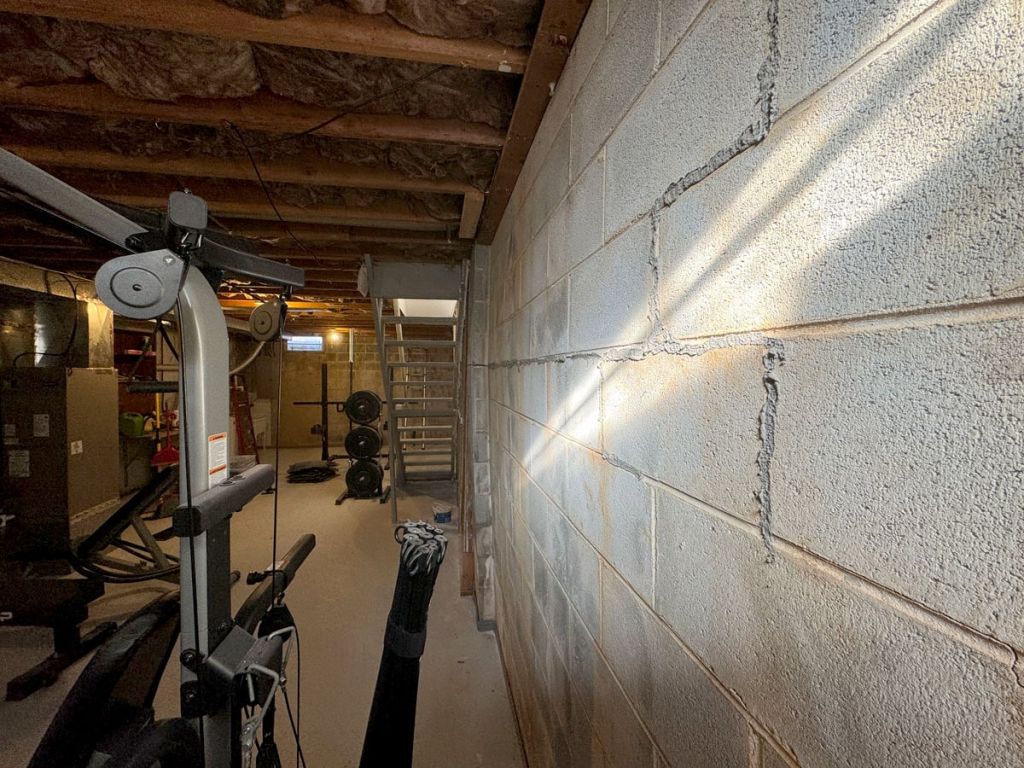
    Hairline cracks may be normal in older homes due to settling, but wide, horizontal, or stair-step cracks can signal foundation movement. Take note of new or expanding cracks.

    2. Doors and Windows That Stick

    If a door used to swing easily and now scrapes the floor or won’t latch properly, it could be more than humidity—it might be uneven settling.

    3. Uneven Floors

    Do your floors slope? Feel spongy or bouncy? A shifting foundation can cause framing components to twist or warp, which shows up underfoot.

    4. Gaps Around Windows or Exterior Trim

    Check for widening gaps between siding and trim, or between window frames and the walls. These can be signs the structure is moving apart.

    5. Moisture in the Basement or Crawlspace

    Foundations are vulnerable to water intrusion. Persistent dampness, pooling water, or signs of efflorescence (a white powdery residue) are all red flags.


    Don’t Just Watch—Act

    Foundational issues tend not to fix themselves. If you’re noticing any of the signs above, don’t wait until the next rainstorm or cold snap exposes the problem further. A professional inspection provides clarity, identifies root causes, and outlines solutions—whether it’s simple drainage correction or structural reinforcement.

    And even if your foundation is in great shape, knowing it’s been inspected and understood adds real peace of mind. Just as you’d never ignore the roof over your head, don’t forget the ground beneath your feet.


    A Final Thought

    Your home may have character, charm, and curb appeal—but all of that depends on the strength and stability of the structure it rests on. At Green Mountain Property Inspections, we treat foundations not as afterthoughts, but as foundational truths. Because when you really want to understand a home, you start from the bottom.

    What the foundation is doing today… tells the story of what the home will be tomorrow.

    If you’re unsure about the condition of your foundation or want a professional set of eyes on your home, we’re here to help—rooted in integrity, and grounded in Vermont values.

  • Cool Under Pressure: A Systems Approach to HVAC Maintenance During a Heat Wave

    Cool Under Pressure: A Systems Approach to HVAC Maintenance During a Heat Wave

    Welcome to The Inspector’s Notebook
    Whether you’re a new homeowner, a seasoned investor, or simply interested in understanding the systems that make your home work, we’re glad you’re here. Each post is written with the goal of helping you make better-informed decisions about your home—because a well-maintained house isn’t just about structure, but resilience. Now, let’s talk about cooling systems.


    We tend to notice systems only when they fail

    When the sun bears down and the air outside hangs thick with humidity, there’s one system in your home that becomes not just important—but essential. Your HVAC cooling system isn’t just about comfort during a heat wave. It’s about safety, efficiency, and the long-term health of your home.

    If you’re reading this in the middle of a sweltering Vermont summer, you’re not alone. Heat waves push cooling systems to their limits. Unfortunately, that’s also when these systems are most likely to fail. As home inspectors, we see the aftermath of deferred HVAC maintenance more often than we’d like—and it’s usually during the hottest week of the year.

    So, let’s shift the equation. A little preventive care now can mean a cooler, safer, and more affordable summer. Here’s what every homeowner should know.


    1. Air Filters: The Hidden Chokepoint

    It is easy to dismiss air filters as replaceable parts, like light bulbs or batteries. But this view ignores their role in maintaining system equilibrium. A clogged filter reduces airflow, strains the blower motor, and risks ice forming on the evaporator coils—often cascading into a full-system shutdown.

    What to do:
    Change your filters every 30–60 days during periods of heavy use. If you have pets or live in a high-pollen area, shorten that window. Don’t wait for symptoms—act proactively.


    2. The Outdoor Unit: An Engine Exposed

    The condenser is often treated as a sealed, invulnerable box. But this metal structure, typically out behind the house or beside a deck, is constantly interacting with its environment. Grass clippings, leaves, insects, and even neighborhood construction dust can obstruct its function. When airflow is impeded, pressure rises. And when pressure rises, failures follow.

    What to do:
    Cut back vegetation to maintain a 2-foot perimeter. Gently clean the fins with a hose. Avoid using high-pressure jets, which can damage the delicate coil surfaces. And above all—turn off the power first.


    3. Thermostats: More Than Set-and-Forget

    The thermostat is not just a dial for temperature; it’s a regulator of demand. Poorly programmed or outdated thermostats contribute to short-cycling, uneven wear, and inefficient cooling. A system that constantly ramps up and down is not just less effective—it’s operating against its own lifespan.

    What to do:
    Use programmable or smart thermostats to reduce strain during peak hours. 78°F while home is often a healthy balance between comfort and energy savings. Higher when away. This isn’t just about comfort—it’s about slowing entropy.


    4. Ductwork: The Unseen Highways

    Cooling systems move air, but not all air is moved equally. Leaky ducts send conditioned air into attics and crawlspaces—unoccupied zones that gain comfort at your expense. This inefficiency is not felt as a jolt, but as a slow bleed in performance and energy costs.

    What to do:
    If you notice rooms that won’t cool or hear whistling noises, have your ducts checked. Professional sealing and insulation can correct unseen loss and restore proper system balance.


    5. Annual Tune-Ups: An Ounce of Prevention

    Many systems fail not because of a single event, but due to accumulated neglect. HVAC systems in particular suffer from what might be called invisible decay—refrigerant leaks too small to notice, electrical components weakening under thermal stress, or microbial growth in damp coils. These issues compound over time, until the entire system fails—often on the hottest day of the year.

    What to do:
    Schedule a professional HVAC inspection once per year. The best time is before a crisis. The goal is not just to repair but to observe the trajectory of wear. You want to be ahead of failure, not behind it.


    A Final Note: Maintenance Is a Form of Intelligence

    To maintain a system is to understand it. It is also to respect its complexity. HVAC systems are not simple machines. They are interdependent mechanisms governed by physics, time, and environment. To treat them casually is to ignore the way small causes produce large effects.

    So if you haven’t checked your filters, walked your condenser, or thought about your thermostat settings recently—do it now. Not out of panic, but because systems deserve stewardship. And in the middle of a heat wave, that stewardship just might keep your home cool under pressure.

    At Green Mountain Property Inspections, we see HVAC systems at every stage of life—from brand-new installs to units on their last legs. If you’re unsure about your system’s condition or need a second set of eyes, we’re here to help.

    Stay cool, stay safe—and don’t forget to change that filter.

  • The Hidden Economy in Your Walls: 10 Simple Ways to Cut Energy Waste at Home

    The Hidden Economy in Your Walls: 10 Simple Ways to Cut Energy Waste at Home

    Welcome (back) to The Inspector’s Notebook—where practical insight meets long-term thinking. Whether you’re a longtime homeowner, a first-time buyer, or just someone who wants to better understand the place you live, this blog is here to help you see your home through a sharper lens. Our goal? Help you live smarter, safer, and more sustainably—without the noise.


    What if I told you your home is quietly bleeding money? Not through theft or disaster—but through inefficiency.

    Every flick of a light switch, every moment your furnace hums to life, and every unnoticed draft is part of a quiet equation most people never see. Fortunately, solving this equation doesn’t require massive lifestyle change—just awareness and small, strategic action.

    Here are ten easy, proven ways to save money and energy in your home—backed by building science and wrapped in common sense.


    1. Don’t Heat the Whole Neighborhood

    Air leaks are silent budget thieves. Gaps around windows, doors, and attic hatches allow your heated or cooled air to escape. Seal them with weatherstripping or caulk. The best energy savings aren’t glamorous—they’re hidden in the details.


    2. Let Your Thermostat Think for You

    Programmable or smart thermostats reduce heating and cooling costs by adjusting to your schedule—even when you forget. Just a few degrees of difference can translate into real savings over time, without sacrificing comfort.


    3. Rethink Water Heating

    Tankless water heaters only heat what you use, when you use it. No more paying to keep 40 gallons warm while you’re at work. They cost more upfront, but pay for themselves in efficiency—especially in homes that use moderate to high amounts of hot water.


    4. Change Your Bulbs, Change Your Bill

    Incandescent bulbs are like tiny space heaters that also happen to give off light. LEDs, on the other hand, sip electricity while lasting 25 times longer. Replacing just a few high-use bulbs can lead to noticeable monthly savings.


    5. Use Fans with Purpose

    Ceiling fans don’t cool the air—they move it. In the summer, this helps you feel cooler at a higher thermostat setting. In the winter, reversing the blade direction circulates warm air downward. It’s physics working for you, not against you.


    6. Insulate Like You Mean It

    Most heat loss occurs through the attic and walls. If your insulation is sparse, compressed, or missing entirely in spots, your heating system has to work harder. More work means more fuel. More fuel means more money—out of your pocket.


    7. Fix the Small Leaks

    A dripping hot water faucet doesn’t just waste water—it wastes the energy used to heat that water. Low-flow fixtures and timely repairs reduce the loss at both ends of the equation.


    8. Unplug the Energy Vampires

    Devices plugged in but not in use still draw power. It’s called “phantom load.” Power strips with kill switches make it easy to cut the cord when you’re not actively using electronics.


    9. Get Strategic with Landscaping

    Deciduous trees can shade your home in summer and let in sunlight during the winter. Plant them on the west and south sides of your home and you’ll use less energy to control the temperature indoors—all through the natural rhythms of the seasons.


    10. Get a Home Energy Audit

    Want the blueprint? A professional energy audit will show you exactly where your home is underperforming and how to fix it. It’s not guesswork—it’s science applied to your walls, windows, ducts, and systems.


    The Bottom Line

    Your home is a machine. And like any machine, it works best when its parts are aligned, clean, and not working harder than they need to. Saving energy isn’t just good for your wallet—it’s a quiet form of resilience. A way to protect yourself from volatility. A step toward independence.

    Efficiency isn’t just about using less—it’s about living smarter.


    If you’d like help understanding where your home could be saving more, Green Mountain Property Inspections offers energy-aware home inspections and can connect you with trusted professionals. It all starts with seeing your home for what it is—and what it could be.