
Tag: Home Inspector

  • Beyond the Inspection: Cultivating Long‑Term Confidence in Your Home

    Beyond the Inspection: Cultivating Long‑Term Confidence in Your Home

    When I sit down after an inspection — headphones off, laptop at the ready — I’m left with a realization: true peace of mind isn’t a clean report sent over email. It’s a cultivated confidence, earned over time, through understanding the living systems that make a house a home. That’s the deeper work we pursue at Green Mountain Property Inspections.

    1. From Static Reports to Dynamic Understanding

    An inspection report is often seen as a static snapshot: “Here are the issues, here’s what’s broken, here’s what needs fixing.” But homes aren’t static. They breathe, shift, and age. We advise clients to ask, “How will this change six months from now? A year? Five?”

    This mindset shifts the conversation:

    • Budgeting for resilience rather than repairs.
    • Planning preventative upgrades — sealing a vulnerable foundation crack now saves you from major structural fixes later.
    • Recognizing patterns in moisture, settling, or wear that hint at emerging problems.

    It’s about equipping you not just with a list, but with foresight and control.

    2. Investing in System Literacy

    We demystify the jargon of framing, moisture intrusion, load dynamics, and airflow. A report doesn’t just say “ventilation is inadequate.” It explains:

    • Why that matters — in terms of air quality, energy bills, and mold risk.
    • How you can address it — whether via simple filter changes or mechanical upgrades.
    • What a responsive monitoring routine looks like — a seasonal walkthrough, a checklist for gutter clearance or attic humidity.

    We want you to see your home as a network — each element interlinked — so small adjustments ripple into lasting improvements.

    3. Building a Collaborative Journey

    Our approach isn’t “inspect-and-dash.” It’s assess‑and-align. You’re in this with us. We invite you into the process:

    • A live walkthrough where questions aren’t just welcomed — they steer the narrative.
    • A report that speaks your language — no scare tactics, no fluff — just clarity and honest thresholds.
    • Follow‑ups that aren’t optional — post‑inspection check‑ins ensure you’ve translated insight into action and feel supported throughout.

    Much like mentors in science or coaching in high‑stakes teams, we seek a conversation that extends beyond a single meeting.

    4. Seeing the Home as an Ecosystem

    At Green Mtn., we view each property as layered: structural, mechanical, environmental, behavioral. A cracked foundation isn’t just a puzzle of concrete—it’s a sign of drainage issues, soil movement, vegetation pressure. A noisy HVAC system isn’t just a nuisance—it’s a clue to energy inefficiency, filter neglect, or duct leakage.

    Approaching homes this way transforms how you invest in them. You stop fixing parts and start nurturing systems. You budget not just for repairs but for resilience.

    5. Why This Matters More Than Ever

    We live in a time of climate shifts, aging building stock, and tightening energy standards. The line between a good inspection and a strong investment is whether you’re prepared for what the future demands. A home that fails us is rarely because the inspector missed something—it’s because no one taught us how to listen to what the house is already telling us.


    In Summary: Turning Knowledge into Confidence

    The value of our inspections isn’t in what we find — it’s in what you gain:

    • sense of systems, woven through foundation, framing, ventilation, and more.
    • timeline of attention, where you know what to watch now and what to schedule later.
    • trusted partnership, in which you come prepared, informed, and supported from walkthrough to closing.

    Our aim is to help your home give you peace of mind — not uncertainty. And that peace is built over time: through clarity, context, and continued commitment.


    Want to keep growing that home‑confident mindset?
    Reach out any time. Schedule a seasonal check‑in inspection. Let’s talk about your long‑term home gameplan — grounded in insight, guided by expertise, and inspired by your goals.


    Stay tuned to The Inspector’s Notebook for field‑tested wisdom on building safety, sustainability, and strategies that endure.
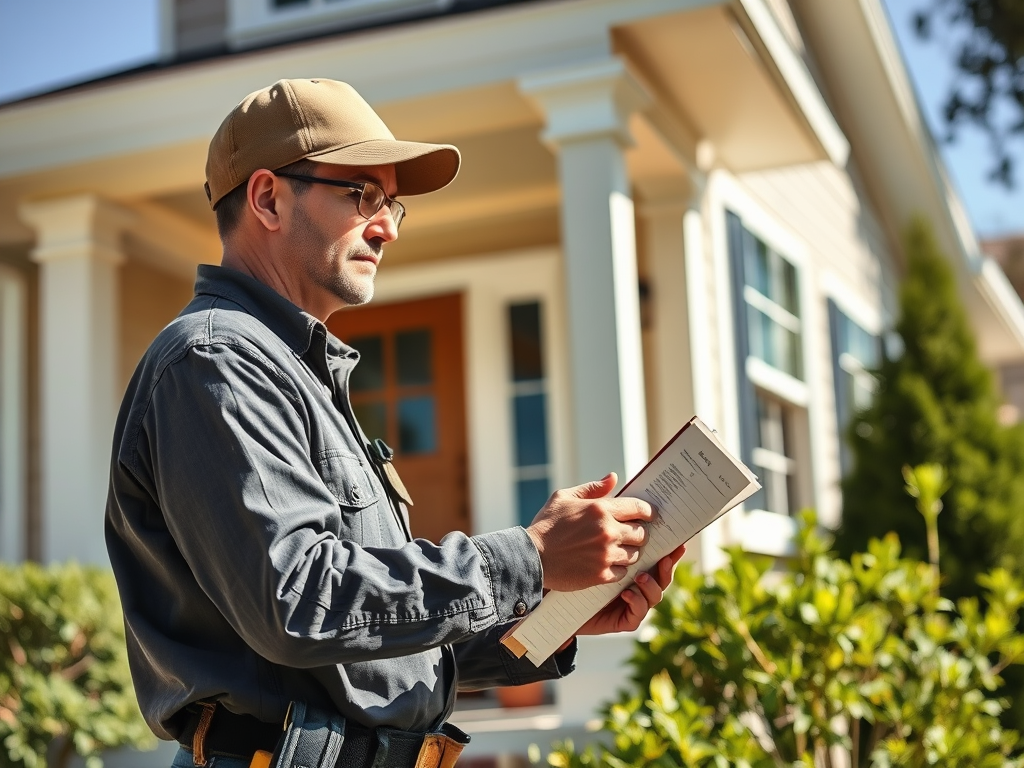
  • What Guides the Guide? A Look Inside InterNACHI’s Standards of Practice

    What Guides the Guide? A Look Inside InterNACHI’s Standards of Practice

    When you hire a home inspector, you’re not just bringing in a second set of eyes — you’re asking for clarity in the face of uncertainty. You’re buying peace of mind. And yet, few pause to ask: what guides the inspector? What determines what they examine, and what they don’t? What defines a “standard” inspection?

    At the heart of professional home inspections lies the Standards of Practice (SOP) — a framework designed not just to inform, but to protect. Specifically, we follow the InterNACHI Standards of Practice, a living document that provides the backbone for ethical, thorough, and consistent inspections across the industry.

    Let’s peel back the layers and see what’s inside.


    What Are the InterNACHI Standards of Practice?

    InterNACHI — the International Association of Certified Home Inspectors — is the world’s largest trade organization for residential and commercial property inspectors. Their SOP is a clearly defined document that sets the minimum requirements for a home inspection.

    In other words, it tells inspectors what they shall inspect, what they may inspect, and what is considered outside the scopeof a standard home inspection.

    Think of it as a map. Not the territory, but an essential guide that ensures every inspection meets a consistent level of quality — from a ranch house in rural Vermont to a brownstone in downtown Boston.


    What Does an Inspector Look At?

    According to InterNACHI’s SOP, a general home inspection includes a visual, non-invasive examination of the major systems and components that are readily accessible. These typically include:

    • Roofing
    • Exterior siding, trim, decks, and porches
    • Structural components (as visible)
    • Plumbing, electrical, and HVAC systems
    • Interior features like walls, ceilings, floors, doors, and windows
    • Attics, basements, and crawlspaces
    • Insulation and ventilation
    • Fireplaces and fuel-burning appliances

    Each of these categories contains subcategories and specific performance expectations. For instance, the inspector must report on roof covering materials, but they’re not required to walk on the roof if it’s unsafe.


    What’s Not Included? (And Why That Matters)

    InterNACHI’s SOP is not a crystal ball. It does not include destructive testing, code compliance verification, or predictions about future performance. We don’t open up walls. We don’t move furniture or operate shut-off valves. We’re generalists — trained to identify red flags that may require a specialist’s deeper investigation.

    This is where the document does something brilliant: it sets expectations.

    Clients know what they’re getting. Inspectors know where their responsibility begins — and ends. And that clarity benefits everyone.

    Why the SOP Matters — Especially in Vermont

    In Vermont, home inspectors are required to be licensed by the state — and with that license comes the obligation to perform inspections according to recognized standards. The InterNACHI Standards of Practice (SOP) are among the most widely respected and frequently referenced guidelines in the industry, and they serve as the professional foundation for many Vermont inspectors.

    At Green Mountain Property Inspections, we don’t just meet the minimum state requirements — we align with InterNACHI’s SOP because it represents a higher standard of clarity, integrity, and client protection. It ensures that every inspection we perform is rooted in consistency and professionalism, no matter the property type or location.

    In a regulated industry like Vermont’s, adhering to a clearly defined SOP isn’t just good practice — it’s required. But how we apply those standards is where experience, judgment, and communication truly matter.

    We bring more than compliance to the job — we bring confidence.

    The Bottom Line

    Home inspection is more than a checklist — it’s a conversation between the visible and the hidden, the known and the uncertain. The InterNACHI Standards of Practice provide the language for that conversation.

    They ensure that every inspection is clear, professional, and consistent — no matter the home, no matter the inspector.

    So the next time you’re buying, selling, or simply curious about the state of your home, remember: we’re not just showing up with a flashlight and a ladder. We’re showing up with a standard.

    And that makes all the difference.


    Want to Learn More?
    Visit http://www.nachi.org/sop for the full InterNACHI Standards of Practice.

    Subscribe to The Inspector’s Notebook for insights that bring homes — and the systems behind them — into focus.