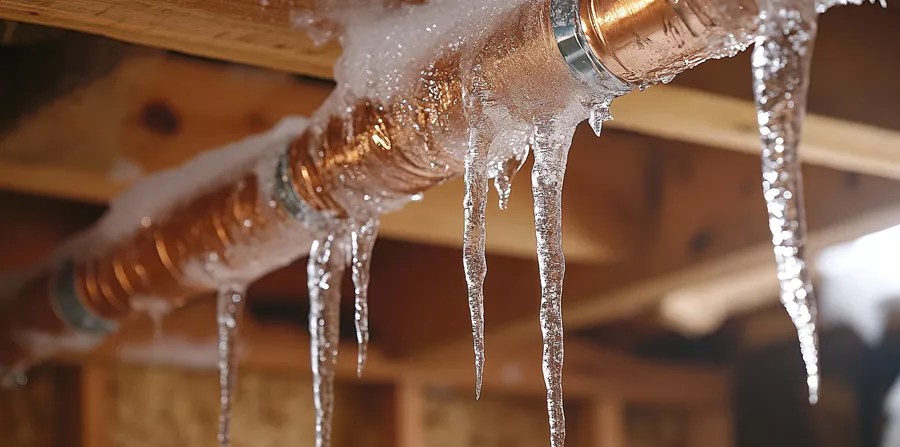
Tag: Winter

  • Frozen Pipes in Vermont: What Every Homeowner Should Understand

    Frozen Pipes in Vermont: What Every Homeowner Should Understand

    Winter in Vermont has a way of revealing truths about a home that remain hidden the rest of the year. Beneath the quiet beauty of snow-covered roofs and frost-lined trees, the forces of physics are at work — expanding, contracting, testing every seam, joint, and vulnerability in a structure.

    One of the most common and costly consequences of this seasonal stress is frozen plumbing.

    To understand why frozen pipes occur — and why they can be so destructive — it helps to look beyond the symptom and examine the underlying conditions that make them possible.


    Why Pipes Freeze: It’s Not Just About Temperature

    At first glance, frozen pipes seem straightforward: temperatures drop below freezing, water turns to ice, and problems follow.

    But in practice, the situation is more nuanced.

    Pipes freeze not simply because it’s cold outside, but because heat loss within the home outpaces the ability of the structure to maintain safe temperatures around the plumbing system. This typically occurs in areas where insulation, airflow, and building design intersect in unintended ways.

    Common vulnerable locations include:

    • Exterior walls lacking sufficient insulation
    • Unheated basements or crawlspaces
    • Attics where plumbing lines were routed during renovations
    • Garage ceilings with plumbing above
    • Cabinets along exterior walls, particularly under kitchen sinks

    In Vermont homes — especially older ones — plumbing was sometimes installed during eras when energy standards were less rigorous. As a result, pipes may sit closer to exterior surfaces than modern building science would recommend.


    The Real Risk: It’s Not the Ice

    Contrary to popular belief, pipes rarely burst at the moment they freeze.

    The true hazard occurs during thawing.

    When water freezes, it expands. This expansion can create internal pressure within a pipe, particularly in rigid materials like copper or CPVC. The damage often occurs at weak points — fittings, joints, or small imperfections that may have existed long before winter arrived.

    When temperatures rise and the ice begins to melt, water flow resumes — and that’s when a compromised pipe can suddenly release water under pressure.

    The result is often not a slow drip, but a rapid and significant leak.


    What Inspectors Commonly Observe in Vermont Homes

    During winter inspections across Vermont, several recurring patterns emerge:

    1. Plumbing Installed in Exterior Walls

    This is perhaps the most common risk factor. Even when insulation is present, extreme cold can penetrate deeply enough to affect pipes.

    2. Air Leakage Around Penetrations

    Small gaps around wiring, plumbing penetrations, or rim joists allow cold air to infiltrate. These invisible pathways can dramatically lower localized temperatures.

    3. Inadequate Insulation Coverage

    Insulation that is compressed, missing, or improperly installed often creates cold pockets where pipes are vulnerable.

    4. Seasonal or Vacant Homes

    Unoccupied properties are particularly at risk when heating systems fail or temperatures are set too low.


    Warning Signs That a Pipe May Be Freezing

    Frozen pipes rarely announce themselves dramatically at first. Instead, early indicators tend to be subtle:

    • Reduced water flow from a fixture
    • Frost visible on exposed piping
    • Unusual odors from drains (caused by ice blocking vent flow)
    • Unexplained drops in indoor temperatures near plumbing lines

    Recognizing these signs early can make the difference between a manageable situation and a major water damage event.


    Prevention: A Matter of Heat, Air, and Awareness

    Effective prevention focuses on maintaining stable temperatures and reducing cold air exposure.

    Key protective measures include:

    • Keeping indoor temperatures consistent, even when away
    • Sealing air gaps around pipes and penetrations
    • Adding insulation in vulnerable areas
    • Allowing warm air circulation inside cabinets on exterior walls
    • Disconnecting and draining exterior hose bibs before winter

    In particularly vulnerable situations, homeowners may also choose to install heat tape or pipe insulation sleeves — though these should be installed and monitored carefully to avoid fire risks.


    The Vermont Context: Why This Matters Here

    Freeze-thaw cycles in Vermont are not just frequent — they are intense. Temperatures can swing dramatically within short periods, placing repeated stress on plumbing systems.

    This makes frozen pipe prevention not merely a matter of convenience, but a critical component of protecting a home’s structural integrity and long-term value.

    Water damage from burst pipes remains one of the most expensive and disruptive issues homeowners face during winter months.


    A Final Perspective

    Homes are dynamic systems, constantly interacting with their environment. Winter, in particular, acts as a kind of stress test — revealing weaknesses that might otherwise go unnoticed.

    Frozen pipes are not simply the result of cold weather. They are a signal that heat, airflow, and insulation within the home have fallen out of balance.

    Understanding this broader context allows homeowners to move beyond reactive fixes and toward proactive stewardship — ensuring their homes remain resilient against the quiet but persistent pressures of Vermont winters.
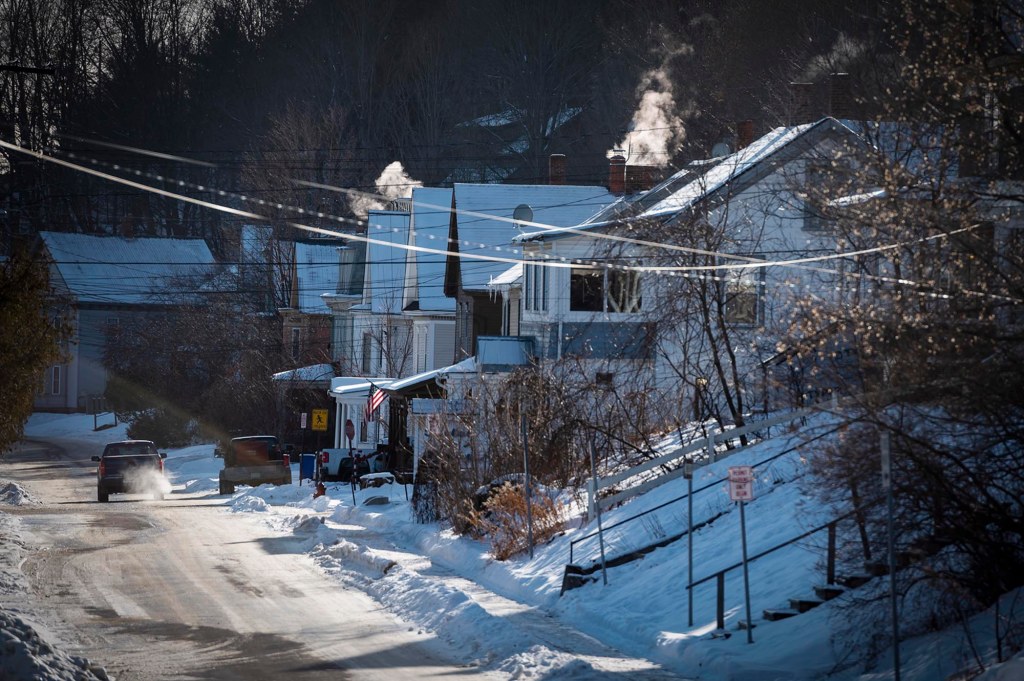
  • Practical Ways to Keep Your Home Warm as Temperatures Plunge

    Practical Ways to Keep Your Home Warm as Temperatures Plunge

    Tonight, Vermont is expected to see the coldest temperatures of the season—an abrupt reminder that winter still has plenty of strength left. When the mercury drops this far, the cold stops being a background condition and becomes something you can almost feel pressing against the walls. Nights like this reveal how well our homes hold heat, how prepared our systems are, and how small oversights can ripple into bigger problems.

    But extreme cold doesn’t have to catch you off guard. With a few well-timed steps, you can help your home stay warm, stable, and efficient through the night. What follows are grounded, practical measures—nothing alarmist, nothing theoretical. Just the things that make the biggest difference when the cold settles in and stays awhile.


    1. Lock In Heat Before the Temperature Plummets

    Tonight’s cold will search for the tiniest escape routes.
    Warmth is lost in places we rarely look: around windows, under doors, through attic hatches, and around plumbing penetrations.

    Before the temperature bottoms out:

    • Check exterior doors for drafts and reinforce with fresh weatherstripping if needed.
    • Close and lock windows to ensure a tight seal—a simple, often overlooked step.
    • Cover drafty windows with insulating plastic or heavy curtains.

    Think of this as tightening your home’s thermal envelope right as winter tries its hardest to break through.


    2. Give Your Home a Heat-Holding Advantage

    Insulation is quiet, invisible, and absolutely crucial on nights like this. Heat rises, and the attic is the first place it tries to leave.

    A quick evening check can help keep that warmth where you need it:

    • Confirm that attic access panels close fully and sit flat.
    • Ensure insulation hasn’t shifted, especially near rooflines or eaves.
    • Close off unused rooms to concentrate heat in the living spaces you’re relying on tonight.

    This is the structural equivalent of putting on an extra layer before heading outside.


    3. Set Your Heating System Up for Success

    When temperatures drop sharply, your heating equipment works harder than at any other time. Giving it a small amount of attention now can carry you through the coldest hours of the night.

    • Replace or clean furnace filters to improve airflow and efficiency.
    • Make sure heat-pump outdoor units are clear of snow and ice.
    • Verify fuel levels—cold snaps accelerate consumption.
    • Keep vents and radiators unobstructed so heat can circulate freely.

    Your heating system doesn’t need perfection—it needs a clear path to operate without strain.


    4. Protect Plumbing From Freezing Overnight

    Extreme cold can freeze pipes faster than most homeowners expect, especially in marginally insulated areas.

    To reduce that risk:

    • Open kitchen and bathroom cabinet doors to let warm air reach supply lines.
    • Let vulnerable faucets drip lightly; moving water resists freezing.
    • Know the location of your main shut-off valve in case a pipe does freeze.

    Think of plumbing as a system that thrives on circulation and warmth. Tonight, both matter more than usual.


    5. Use Curtains and Blinds as Thermal Tools

    When used intentionally, window coverings become part of your heating strategy.

    • Open curtains during the day to collect solar heat.
    • Close them before sunset to trap that heat during the coldest hours.
    • For older windows, add a rolled towel or draft snake along the sill for extra protection.

    These small steps create a meaningful buffer against the radiant cold creeping in from the glass.


    6. Prepare for the Possibility of Overnight Power Issues

    Extreme low temperatures and snow-laden branches can strain power lines. While outages aren’t guaranteed, tonight’s weather makes them more likely.

    A few simple preparations go a long way:

    • Make sure flashlights, lanterns, and portable chargers are ready.
    • Verify that carbon monoxide detectors have fresh batteries.
    • If you have a safe alternative heat source (like a wood stove), ensure it’s ready for use.

    A calm, prepared home stays comfortable even when the unexpected happens.


    7. Keep Vents and Exhaust Clear as Snow Accumulates

    Combustion appliances require uninterrupted airflow. During heavy snow and wind, vents can become blocked without you noticing.

    Before settling in for the night:

    • Check that furnace, boiler, and dryer vents are fully clear.
    • Ensure the heat pump has space around it to breathe.
    • Watch for unusual system shutdowns or odors—both can signal airflow issues.

    These are simple, high-impact checks, especially when temperatures drop into the danger zone.


    8. Lean Into the Natural Movement of Heat

    Warm air rises, pools, shifts, and escapes. A few small adjustments help keep it where it matters:

    • Set ceiling fans to low, reverse to gently push warm air back down.
    • Close doors to unused rooms, especially those without heat sources.
    • Keep hallways open to allow even distribution of warmth.

    You’re not forcing anything—you’re aligning your home with the physics of warmth.


    Final Thoughts

    Tonight’s cold is the kind that defines a season. But a well-prepared home doesn’t just endure it—it handles it with quiet resilience. These steps aren’t complicated, yet each plays a role in helping your home retain warmth, protect its systems, and stay comfortable through the deepest part of the night.

    If you’d like help evaluating your home’s winter readiness or understanding how cold affects its systems, Green Mountain Property Inspections is here to support you with clear, evidence-based guidance tailored to Vermont homes.

    Stay warm, stay prepared, and let your home meet the cold with confidence.